





Assessing flood damage in the Bronx is crucial for effective cleanup and restoration. Key steps include: documenting affected areas, seeking professional expertise for water extraction and insurance guidance, pre-flood planning like setting up barriers, inspecting for visible and hidden damage, using advanced tools for assessment, and implementing natural flood protection measures to minimize future damage. Swift action within 48 hours is vital for effective drying to prevent mold growth. By combining expert restoration services with proactive flood preparation, homeowners can better navigate disasters and ensure safety for their properties and families. The Bronx's resilience includes eco-friendly reconstruction, proactive measures, pre-flood preparation, and engagement with authorities to build a more adaptable future.
Flood cleanup is a critical service within the Bronx, particularly following the severe weather events that can cause extensive flood damage naturally. The process demands specialized knowledge to ensure both effective restoration and safety. Unaddressed, flood damage can lead to mold growth, structural instability, and health risks. This article delves into the intricacies of trustworthy flood cleanup practices specific to the Bronx, offering insights into best-case scenarios for property owners and managers. We explore proven methods for assessing and mitigating flood damage, emphasizing the importance of professional, efficient, and environmentally conscious restoration techniques.
- Assessing Flood Damage: The First Step in Bronx Cleanup
- Safe Water Extraction: Preventing Further Natural Disaster
- Drying Out Your Home: Effective Flood Damage Control
- Restoring Your Property: Strategies for Long-Lasting Safety
- Reconstruction and Prevention: Building a Resilient Bronx
Assessing Flood Damage: The First Step in Bronx Cleanup
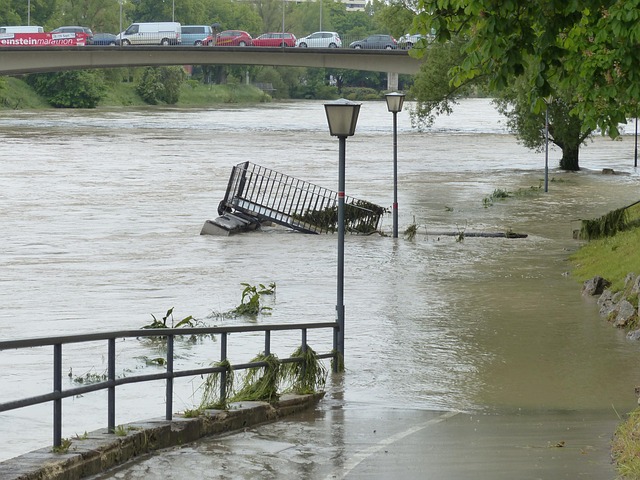
In the aftermath of a flood, assessing flood damage is the critical first step towards effective cleanup and restoration in the Bronx. This initial evaluation serves as a foundation for determining the extent of losses and guiding subsequent actions, ensuring a thorough and organized process. Property owners or managers must approach this assessment methodically, documenting every affected area and item. High-risk areas include basements, where water can quickly accumulate and damage valuable possessions and structural elements.
The complexity of flood damage in the Bronx requires professional expertise to navigate. For instance, San Antonio water extraction services have proven invaluable in managing extensive water intrusion, while Austin flood insurance advice offers guidance on navigating coverage and claims. Property Restoration of the Capital Region, a trusted name in disaster preparedness training, emphasizes the importance of pre-flood planning, including setting up barriers and securing valuables, to mitigate post-flood cleanup efforts.
During assessment, it’s crucial to inspect for both visible and hidden damage. Water can leave behind moisture, leading to mold growth if not addressed promptly. Structural integrity should be evaluated, focusing on foundations, walls, and roofs. In many cases, professional inspectors utilize advanced tools like moisture meters and thermal imaging cameras to detect water sources and assess the reach of flood damage naturally. Data from these tools, combined with visual examinations, provides a comprehensive picture, enabling informed decisions for the next steps in the cleanup process.
Safe Water Extraction: Preventing Further Natural Disaster

In the aftermath of a flood, safe water extraction is a critical step in preventing further damage and ensuring the health and safety of your property. The Bronx, with its diverse landscapes, has faced significant challenges from natural disasters, including flooding. To mitigate the impact of such events, understanding and implementing effective water extraction strategies are paramount. Property Restoration of the Capital Region specializes in flood damage restoration, offering expertise in safe water removal techniques to help residents across Texas, especially in areas like San Antonio and Dallas, prepare for and recover from these events more effectively.
Floods can leave behind not only substantial physical damage but also pose severe health risks due to contaminated water. Traditional extraction methods might not suffice in removing harmful bacteria, chemicals, and other pollutants introduced during a flood. Professional restoration companies, such as Property Restoration of the Capital Region, employ advanced equipment and techniques to ensure safe water extraction. This process includes using high-tech filtration systems that meet or exceed industry standards for water purification, eliminating pathogens and contaminants commonly found in floodwaters. By adhering to these stringent protocols, they safeguard both the structure and the well-being of its inhabitants.
To further fortify against future flooding, Texas residents should consider proactive measures like preparing San Antonio flood preparedness kits and implementing home flood-proofing techniques in Dallas. This includes sealing entry points for water, raising essential items off the ground, and installing waterproof barriers. These steps not only minimize damage but also give homeowners a sense of security during natural disasters. By combining expert restoration services with comprehensive flood preparation, residents across Texas can better navigate the challenges posed by floods, ensuring their properties and families’ safety.
Drying Out Your Home: Effective Flood Damage Control

After a flood, one of the most critical steps in mitigating flood damage naturally is effective drying out of your home. This process not only prevents further deterioration but also reduces the risk of mold growth and structural issues. It’s essential to act swiftly; according to the Federal Emergency Management Agency (FEMA), rapid response within 48 hours can significantly minimize secondary damages.
The first step is to turn off the main power supply to prevent electrical hazards. Then, assess the extent of water intrusion and begin removal processes like pumping out standing water using Dallas emergency pumping services or Houston commercial water damage repair experts. Ensure that all damaged areas are thoroughly dried, as even small pockets of moisture can encourage mold growth. Local water restoration experts from Property Restoration of the Capital Region can employ specialized equipment to measure humidity levels, ensuring every corner of your home is completely dry.
Once drying is complete, it’s crucial to properly ventilate the affected areas. Open windows and doors, and use fans to promote air circulation. This step aids in evaporating any residual moisture and prevents musty odors from developing. Remember, flood damage doesn’t end with water removal; proper drying is a key element in mitigating long-term effects and promoting a healthy recovery environment for your home.
Restoring Your Property: Strategies for Long-Lasting Safety
Restoring your property after a flood is a complex process that requires specialized knowledge and equipment. In areas like the Bronx, where flooding is a recurring issue, it’s crucial to employ strategies that ensure long-lasting safety and minimal damage. The key lies in understanding the unique challenges of flood damage naturally, leveraging local community resilience initiatives, and enlisting the help of Houston disaster restoration specialists who have experience handling such situations.
One effective strategy is implementing San Antonio residential flood protection measures before and after a flood event. This includes sealing entry points to prevent water intrusion, raising essential appliances and fixtures, and installing waterproof barriers. By adopting these proactive steps, homeowners can significantly reduce the scope of potential flood damage naturally. For instance, a study by the National Oceanic and Atmospheric Administration (NOAA) found that homes with adequate protection sustained 30% less damage on average compared to unprotected ones.
Once flooding occurs, swift action is vital. Property Restoration of the Capital Region recommends beginning with a thorough assessment to identify structural integrity issues, mold growth potential, and other hazards. Professional restoration companies utilize advanced technology for drying, cleaning, and sanitizing affected areas. They also employ specialized equipment to remove contaminated materials, such as water-soaked insulation or drywall, which can harbor harmful bacteria and mold spores. For instance, a recent local community resilience initiative in the Bronx implemented state-of-the-art air filtration systems in public spaces, demonstrating the importance of minimizing airborne contaminants post-flood.
Lastly, it’s essential to plan for future flood events. This involves creating an emergency preparedness kit tailored to your specific needs and investing in water-resistant materials for renovations or repairs. By integrating these strategies, homeowners can enhance their property’s resilience, ensuring better protection during and after flood disasters. Drawing from the experiences of Houston disaster restoration specialists and local community resilience initiatives like those in San Antonio, Bronx residents can build a more durable and safe environment for their homes.
Reconstruction and Prevention: Building a Resilient Bronx

The aftermath of a flood leaves a trail of destruction, but the Bronx has emerged as a beacon of resilience, demonstrating its capability to recover and rebuild stronger than before. Reconstruction and prevention are key aspects that have transformed this community, turning potential setbacks into opportunities for growth. When faced with flood damage, natural solutions become essential tools in the recovery process. For instance, utilizing eco-friendly materials and techniques during reconstruction can enhance the region’s overall sustainability and adaptability to future floods.
Houston’s experience after its devastating floods highlights the importance of proactive measures. The city implemented mold removal strategies that not only restored properties but also created healthier living environments. This approach can be adapted for the Bronx, focusing on comprehensive flood insurance claims processes to ensure residents are adequately supported. Local community resilience initiatives have played a pivotal role in fostering unity and preparing for future events. By sharing resources, knowledge, and best practices, these initiatives empower neighbors to assist one another during crises, mirroring successful models seen in Texas after major floods.
Property Restoration of the Capital Region emphasizes the importance of pre-flood preparation. This includes installing water barriers, updating electrical systems, and securing valuable items. By adopting such measures, the Bronx can minimize damage and speed up recovery times. Moreover, engaging with local authorities and insurance providers to understand coverage limits and claims procedures is crucial. With a proactive approach, the community can build a more resilient future, ensuring that flood events no longer disrupt but instead strengthen the fabric of the Bronx.
The article offers a comprehensive guide to trustworthy flood cleanup in the Bronx, detailing each stage of recovery from initial assessment to long-term prevention. Key insights include the importance of swift action, focusing on safe water extraction to prevent further damage from floodwater. Effective drying techniques are crucial for mitigating mold and ensuring structural integrity. Restoring property involves strategic planning for safety and longevity. Finally, reconstruction and prevention strategies emphasize building resilience against future natural disasters, highlighting the need for proactive measures in combating flood damage naturally. Readers gain valuable knowledge on navigating post-flood scenarios, ensuring not only their safety but also the preservation of their properties in the Bronx.