



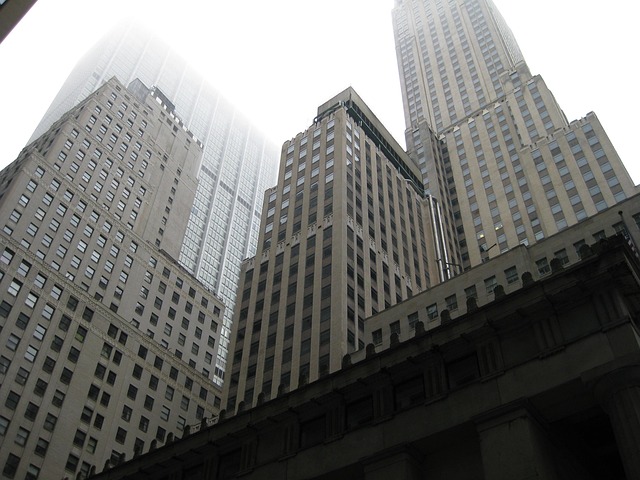



Swift action is vital after flooding to prevent mold growth. Key steps include thorough damage assessment, immediate dewatering/drying, ventilation, and professional guidance. Data shows up to 40% of flooded homes develop mold within a year if not properly remediated. Experts like Property Restoration of the Capital Region use advanced technology for flood damage naturally, focusing on occupant safety and structural preservation within 24-48 hours. Early engagement in Dallas saves businesses, safeguards reputations, and ensures continuity.
Floods in the Financial District can cause significant damage, with mold growth being a primary concern following water intrusion. Prompt and effective emergency mold removal is essential to mitigate health risks and prevent further deterioration of properties. Flood damage naturally leads to a complex web of challenges, from structural assessments to decontamination. This article provides an authoritative guide to navigating post-flood mold removal, offering expert insights tailored for this critical urban environment. By understanding the processes and best practices, property owners and managers can ensure swift and thorough restoration, safeguarding both buildings and occupants’ well-being.
- Assessing Flood Damage: The Initial Step in Mold Prevention
- Safe Removal Techniques for Post-Flood Environments
- Restoring Your Space: Comprehensive Mold Remediation After Floods
Assessing Flood Damage: The Initial Step in Mold Prevention
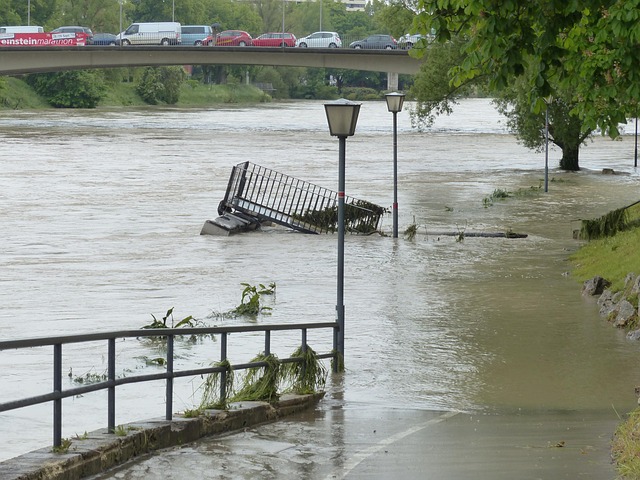
In the aftermath of a flood, businesses and residents in the Financial District must take swift action to mitigate potential health risks associated with water damage. Assessing flood damage is the initial yet critical step in preventing mold growth. This meticulous process requires a thorough understanding of the extent of water intrusion, duration of exposure, and the types of materials affected. Given that mold thrives in warm, humid environments, it’s crucial to address flood damage naturally and promptly to inhibit its development.
Experts recommend conducting a comprehensive visual inspection, documenting evidence of water intrusion, and assessing the scope of affected areas. In severe cases, professional Austin flood insurance advice can guide property owners through the claims process while providing valuable insights into potential mold issues. For instance, Houston disaster restoration specialists have reported an increase in post-flood mold remediation calls, emphasizing the need for swift action. Data from recent studies indicates that up to 40% of homes affected by flooding develop mold within a year if not properly dried and remediated.
Property Restoration of the Capital Region offers valuable flood recovery resources, including checklists for assessing damage and guides on safe cleanup practices. They advocate for immediate dewatering, drying, and ventilation as primary defense mechanisms against mold. This proactive approach is essential, considering that every 12 inches of water can cause significant structural damage and create ideal breeding grounds for mold within 48 hours. By prioritizing flood damage assessment and following recommended recovery protocols, Financial District residents and businesses can protect their properties and mitigate health risks associated with mold growth.
Safe Removal Techniques for Post-Flood Environments
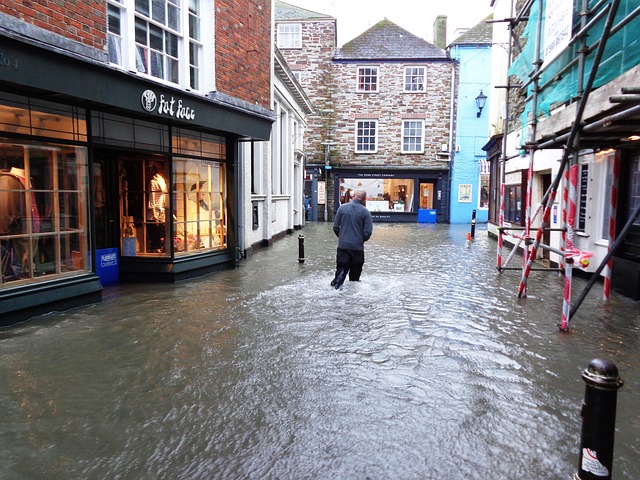
In the aftermath of a flood, especially following the devastating Austin storm surge or severe Dallas rainfall events, safe mold removal becomes an imperative for both residential and commercial properties in the Financial District or any affected area. The first few critical steps involve containing the water, removing wet materials, and initiating drying processes to prevent mold growth. This is where professional emergency services come into play, offering specialized Austin storm surge repairs, Dallas emergency pumping, and Texas-wide emergency flooding assistance.
Professional mold removal experts in the Capital Region emphasize the importance of a systematic approach. They begin by conducting thorough inspections, identifying moisture sources, and assessing the extent of flood damage naturally. This involves using advanced equipment for moisture mapping to pinpoint areas with persistent high humidity. Once the source is identified, they employ state-of-the-art drying techniques, including air movement strategies and dehumidification, to reduce moisture levels significantly. Proper containment and decontamination methods are crucial to prevent mold spores from spreading to unaffected areas.
Property Restoration of the Capital Region offers a comprehensive solution, combining advanced technology with proven techniques. Their team is equipped to handle various flood-related challenges, ensuring safe removal environments. It’s vital to act swiftly—within 24 to 48 hours of flooding—to mitigate mold growth risks. By adhering to strict industry standards and guidelines, these professionals ensure the safety of occupants and the preservation of structures from further damage caused by mold and mildew.
Restoring Your Space: Comprehensive Mold Remediation After Floods

After a flood strikes the Financial District, immediate action is crucial to mitigate damage and prevent mold growth. Mold thrives in damp environments, making prompt flooding cleanup essential. Dallas post-flood cleaning specialists like Property Restoration of the Capital Region offer comprehensive mold remediation services tailored for commercial spaces. The first step involves emergency pumping services to remove standing water, followed by meticulous drying processes using advanced equipment. This rapid response not only stops mold but also preserves valuable assets and minimizes business interruptions.
A study by the American Indoor Air Quality Association reveals that up to 40% of buildings affected by floods develop significant mold growth within just a few days if left unaddressed. Mold not only compromises indoor air quality but also poses health risks, particularly for those with respiratory conditions. Dallas emergency waterproof services are vital in sealing entry points to prevent future infiltrations, ensuring your space remains safe and healthy.
Comprehensive mold remediation involves inspecting affected areas, identifying sources of moisture, and implementing targeted strategies. This includes the use of specialized equipment like dehumidifiers and air purifiers to reduce humidity levels. Property Restoration of the Capital Region employs these advanced techniques alongside industry-standard protocols to ensure a thorough cleanup. Regular monitoring during and after restoration confirms that mold levels return to safe background concentrations.
For businesses in the Financial District, prompt engagement with Dallas emergency cleaning specialists can make all the difference. Early intervention not only saves structures but also safeguards reputations and ensures continuity. Trusting experts like Property Restoration of the Capital Region for flood damage naturally allows you to focus on rebuilding while they handle the critical steps towards a mold-free environment.
Emergency mold removal after floods in the Financial District requires a systematic approach. Key insights include the critical initial assessment of flood damage to prevent mold growth, employing safe removal techniques for post-flood environments, and understanding comprehensive mold remediation processes. By prioritizing these steps, homeowners can effectively mitigate flood damage naturally and restore their spaces safely. This article equips readers with essential knowledge and practical next steps to navigate and overcome the challenges posed by flood damage, ensuring a thorough and authoritative approach to recovery.