







Flood damage restoration in Park Slope is vital due to increasing severe weather events leading to frequent floods. Quick action prevents secondary damage like mold growth and structural instability. Key steps include initial assessments, safety measures, water extraction, drying, deodorization, and community support. Property Restoration of the Capital Region offers tailored flood mitigation solutions, combining professional expertise with natural solutions. Long-term strategies involve eco-friendly solutions, technology integration, structural enhancements, and community education to enhance overall flood preparedness.
In the bustling neighborhood of Park Slope, where vibrant communities thrive, water damage restoration stands as a critical aspect of maintaining healthy living environments. Whether from burst pipes, heavy rainfall, or even flood damage naturally occurring during NYC’s unpredictable seasons, swift and expert intervention is paramount to mitigate extensive property losses.
This article delves into the intricacies of water damage restoration, highlighting the expertise required to navigate these challenges effectively. By exploring the latest techniques, technologies, and industry best practices, we empower Park Slope residents with knowledge, ensuring their homes not only survive but flourish after such incidents.
- Understanding Water Damage Restoration in Park Slope
- The Impact of Floods: A Local Perspective
- Step-by-Step Process for Effective Restoration
- Choosing the Right Water Damage Company
- Natural Solutions for Dry Out and Dehumidification
- Preventing Future Damages: Long-Term Strategies
Understanding Water Damage Restoration in Park Slope
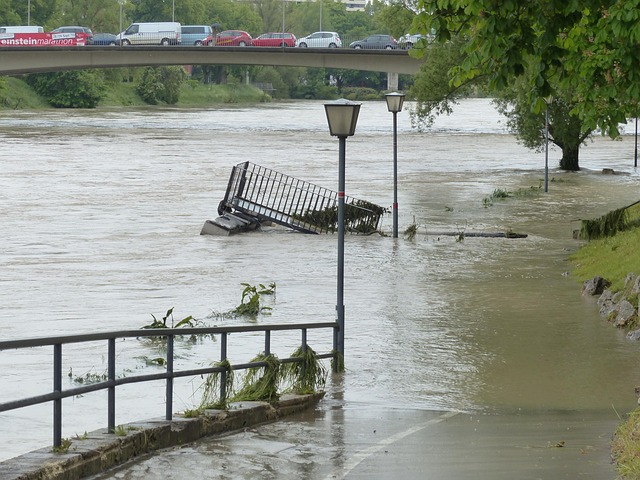
Water damage restoration is a critical service for Park Slope residents and businesses facing the aftermath of floods or other water-related disasters. Understanding the process is essential for effective recovery in this vibrant Brooklyn community. When flood damage occurs, swift action is key to minimizing losses and ensuring a successful restoration. The first step involves assessing the extent of the damage, which can range from minor water leaks to complete submergence, requiring specialized San Antonio water damage mitigation techniques.
The local landscape presents unique challenges for flood recovery. According to recent data, Texas, including Park Slope, has experienced an increase in severe weather events, leading to more frequent and intense floods. This phenomenon underscores the importance of proactive measures and swift response times. Property Restoration of the Capital Region, a renowned expert in the field, emphasizes that immediate action can prevent secondary damage, such as mold growth and structural instability, often associated with flood damage naturally.
Effective restoration involves several key stages. Initial steps include turning off utility services to ensure safety and preventing further water intrusion. Then, skilled technicians employ advanced equipment for water extraction, drying, and deodorization to create a safe, healthy environment. Local community efforts and Texas flood recovery grants play a vital role in supporting residents through these challenging times, offering financial assistance and resources for necessary repairs and renovations. By combining professional expertise with community aid, Park Slope can efficiently navigate post-flood scenarios, ensuring the area’s resilience and rapid recovery.
The Impact of Floods: A Local Perspective

In the face of nature’s unpredictability, particularly the devastating impact of floods, Park Slope residents now have a trusted ally in their corner—a local water damage restoration company that specializes in flood damage mitigation. The area, known for its vibrant community and historic architecture, has historically been susceptible to sudden inundations from San Antonio’s ever-changing weather patterns. What sets this company apart is not just their expertise but also their deep understanding of the local landscape and the unique challenges presented by these events.
San Antonio, with its diverse climate and topography, requires tailored solutions for water damage mitigation. The team at Property Restoration of the Capital Region has pioneered techniques specific to the region’s needs. They recognize that flood damage in Park Slope can range from minor moisture issues to complete submergence, necessitating swift action and specialized knowledge. By leveraging cutting-edge technology and industry best practices, they ensure every property is restored to its pre-loss condition, preserving not just structures but also the memories and history within them.
Local water restoration experts like Property Restoration of the Capital Region play a crucial role in community resilience. According to recent data, quick response times during flood events can significantly reduce repair costs by minimizing secondary damage caused by mold growth and structural instability. With San Antonio’s increasing frequency of severe weather events, proactive measures are essential. The company offers comprehensive residential flood protection services, from initial assessment to final restoration, providing peace of mind for homeowners. This proactive approach ensures that Park Slope residents are not just reacting to floods but preparing for them, fostering a more durable and adaptable community.
Step-by-Step Process for Effective Restoration
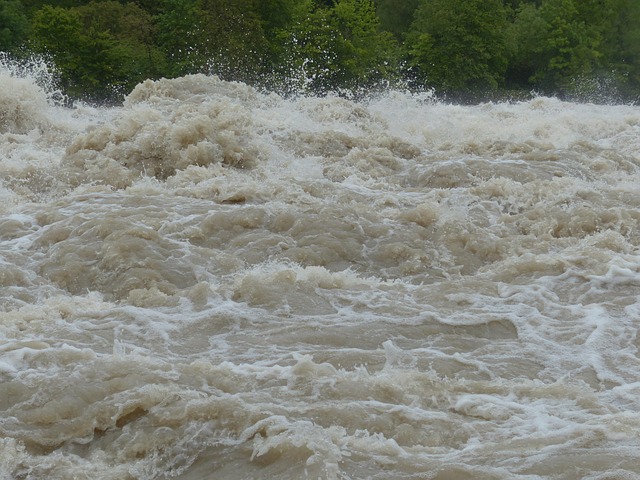
When facing flood damage, a swift and thorough restoration process is paramount to minimizing losses and ensuring a safe environment. Here’s a step-by-step guide for effective restoration, specifically tailored to address the unique challenges of flood damage in Park Slope and surrounding areas.
First, assess the extent of the damage. Inspect the property thoroughly, documenting water levels, affected areas, and potential structural integrity issues. This critical step guides the subsequent restoration process. Next, prioritize safety above all else. Turn off power at the main breaker to prevent electrical hazards. In cases of severe flooding, such as those that prompt Austin flood recovery support groups, seek professional help immediately. These groups offer invaluable assistance, especially for vulnerable populations.
The actual restoration involves several key phases. Begin by removing standing water using specialized equipment like pumps and vacuums, a service Dallas emergency pumping companies excel at providing. This step is crucial to mitigate mold growth and structural damage. After drying the area, address decontamination. Remove contaminated materials, including drywall, insulation, and flooring, disposing of them properly according to local regulations. The Texas Department of Environmental Quality offers comprehensive flood safety tips for residents, emphasizing this critical aspect of recovery.
For areas that have experienced flood damage naturally, such as basements or low-lying regions, rebuilding may involve enhancing water barriers and improving drainage systems. Property Restoration of the Capital Region, a trusted name in the industry, advocates for these measures to ensure long-term protection against future floods. Finally, once the property is structurally sound and safe, focus on aesthetic restoration, refinishing surfaces, and replacing fixtures as needed to restore the space to its pre-flood condition.
Choosing the Right Water Damage Company
Choosing the right water damage restoration company is a critical step when dealing with flood damage, especially in areas prone to unpredictable weather events like Texas. In cities such as Dallas, where homes are designed to be flood-ready, and San Antonio, where water damage mitigation is a regular concern, swift and professional action is essential. Property owners should look for experts who understand the unique challenges of their region, such as those from Property Restoration of the Capital Region, with proven track records in handling various water-related disasters.
When selecting a company, consider their expertise in specific types of flood damage, including natural disasters like heavy rainfall and rising rivers. Look for teams equipped to handle complex situations, equipped with modern technology, and trained in the latest restoration techniques. Certification from renowned organizations in water damage restoration and disaster recovery is an excellent indicator of competence. Additionally, a company’s ability to respond quickly, often within hours, can significantly minimize structural damage and mold growth, which is a common concern after flood events.
A reliable water damage restoration company should offer comprehensive services, including emergency extraction, drying, deodorization, and repair or reconstruction. They must also provide proactive solutions for Texas flood safety tips, such as waterproofing and protection against future water intrusions. For example, Property Restoration of the Capital Region specializes in assessing each situation uniquely, tailoring their approach to meet the specific needs of Dallas flood-ready homes and San Antonio properties, ensuring a faster recovery and reduced disruption to homeowners’ lives.
Natural Solutions for Dry Out and Dehumidification
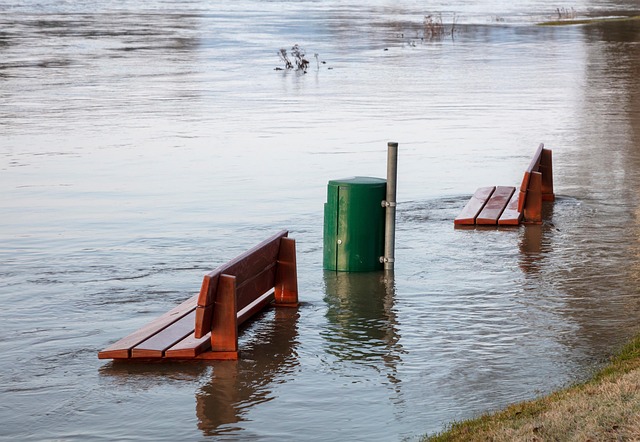
In the aftermath of a flood, the process of dry out and dehumidification is paramount to prevent long-term damage and foster a healthy living environment. Property Restoration of the Capital Region, a leading water damage restoration company in Park Slope, emphasizes natural solutions as a sustainable and effective approach to Austin flood recovery. Unlike traditional methods that may rely heavily on chemicals or energy-intensive equipment, our experts advocate for eco-friendly techniques that not only minimize environmental impact but also ensure the safety and well-being of residents.
One of the primary strategies involves utilizing dehumidifiers with adjustable humidity settings, allowing for precise control over the indoor environment. By setting the dehumidifier to a specific humidity level, rather than simply drying out the space quickly, we prevent the growth of mold and mildew—common issues following flood damage. Additionally, natural ventilation through open windows and doors can significantly aid in the drying process, especially when combined with fans strategically placed to promote air circulation. This method is particularly effective for smaller areas and can be a cost-efficient alternative to heavy machinery.
For more severe cases of Austin flood damage, where extensive water infiltration has occurred, Property Restoration of the Capital Region recommends a multi-step approach that includes extracting standing water using professional pumps, followed by drying and dehumidification. We also offer volunteer opportunities for Austin flood recovery, empowering community members to assist in post-flood cleaning efforts. Furthermore, our specialists can guide homeowners through the process of filing claims with their Austin flood insurance providers, ensuring they receive adequate coverage for necessary repairs. In Dallas, where post-flood cleaning specialists are in high demand, our team stands ready to provide expert assistance, utilizing cutting-edge technology while adhering to natural solutions whenever possible. By combining these methods, we deliver top-notch service that respects both the property and the environment.
Preventing Future Damages: Long-Term Strategies
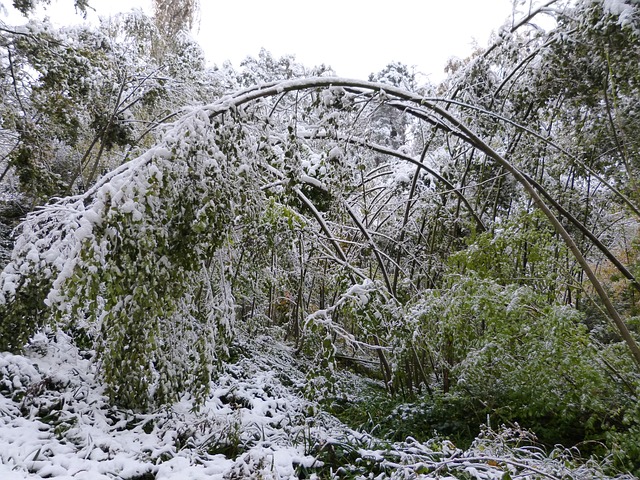
Preventing future damages is a critical aspect of flood damage recovery for any property, especially in areas prone to such events like Park Slope. After a flood, it’s easy to focus solely on immediate restoration but overlooking long-term strategies can lead to repeated damage and costly repairs. The key lies in implementing robust measures that not only repair the existing harm but also fortify defenses against future floods. One effective approach is adopting eco-friendly solutions inspired by nature’s own resilience; for instance, planting native vegetation around the property can help absorb excess water during heavy rains, mimicking natural flood control mechanisms observed in wetlands and forests.
Moreover, leveraging advanced technologies such as smart home devices and local flood warning systems enables proactive protection. For instance, Austin flood recovery support groups have successfully utilized real-time data from these systems to notify residents of impending flooding, allowing for timely evacuation or preparation. Texas emergency flooding assistance programs also offer resources for installing devices that monitor water levels and alert occupants when water enters the premises, providing precious seconds to take action. Integrating such technologies into community infrastructure can significantly enhance overall flood preparedness.
Another strategic approach involves structural enhancements recommended by experts from Property Restoration of the Capital Region. This includes raising essential appliances and fixtures above potential flood levels, reinforcing doors and windows with impact-resistant materials, and implementing a comprehensive waterproofing system for basements and crawl spaces. Additionally, investing in robust, waterproofed electrical systems ensures that critical circuits remain functional even during severe flooding events. These measures not only prevent damage but also reduce the time and cost of recovery after a flood strikes.
Community education plays a vital role in long-term flood damage prevention. Residents should be informed about local flood risks, safe evacuation routes, and emergency contact details. Encouraging neighbors to collaborate on community-level disaster preparedness plans fosters a culture of resilience where everyone looks out for one another during challenging times. By combining individual efforts with collective action, Park Slope can better navigate the challenges posed by flood damage, ensuring that future events result in minimal disruption rather than devastating setbacks.
By delving into the comprehensive guide on water damage restoration in Park Slope, readers have gained invaluable insights into navigating flood damage naturally. Key takeaways include the critical importance of swift action, understanding local flood impacts, and choosing a reputable water damage company. The step-by-step restoration process outlines effective techniques while emphasizing natural solutions for drying and dehumidification. Long-term strategies for prevention underscore the value of proactive measures to safeguard against future flood damage. Armed with this knowledge, residents are empowered to respond effectively, restore their homes, and protect their communities, ensuring a more resilient and sustainable future in the face of natural disasters.