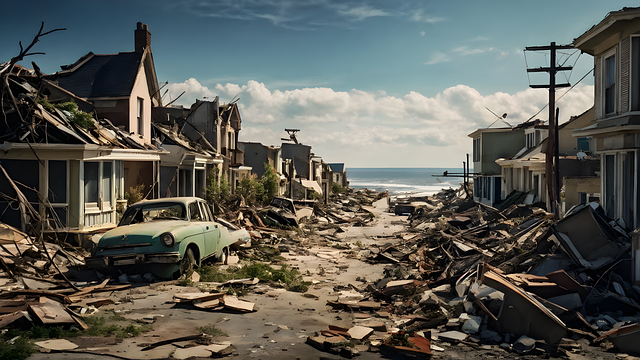







Flooding on Staten Island presents a significant challenge, with substantial economic and humanitarian impacts resulting from severe weather events. Effective disaster recovery after such incidents is crucial for both community resilience and the preservation of critical infrastructure. This article delves into the multifaceted approach required to mitigate flood damage naturally while ensuring swift and comprehensive restoration efforts. We explore best practices, technological advancements, and strategic planning that empower stakeholders to navigate the complexities of post-flood recovery, fostering a more adaptable and resilient Staten Island.
- Assessing Flood Damage: The First Steps After a Storm
- Restoring Critical Infrastructure: Reconstructing Staten Island
- Community Resilience: Building Back Better After Flooding
Assessing Flood Damage: The First Steps After a Storm
Assessing flood damage is a critical initial step after a storm like those that recently hit Staten Island. As communities begin to recover from such devastating events, understanding the scope of the damage is essential for effective disaster recovery. Houston disaster restoration specialists emphasize that this process involves both a thorough inspection and documenting the extent of water intrusion and subsequent mold growth. In cases of severe flooding, like that experienced on Staten Island, immediate action is crucial to mitigate further losses.
The first step after a flood is to ensure personal safety by evacuating if necessary and avoiding contaminated areas. Once it’s safe to return, residents should assess their properties for damage. Key indicators of flood damage include discolored walls, peeling paint, warped doors or floors, and musty odors. Austin home flooding solutions experts advise that homeowners take detailed notes and photos of affected areas, which can be invaluable when filing insurance claims. Property Restoration of the Capital Region offers free consultations to help residents navigate this process, emphasizing that early intervention is key to minimizing long-term damage.
Data from recent floods in Texas highlights the importance of swift action. Homes left unaddressed for just 24-48 hours after flooding can face significant mold growth and structural deterioration. Austin flood recovery volunteer opportunities are often available following such disasters, offering community support during the rebuilding process. By combining expert knowledge with community effort, Staten Island residents can work towards a faster recovery, ensuring their homes are safe and habitable once again.
Restoring Critical Infrastructure: Reconstructing Staten Island
Staten Island’s recovery from flooding involves a meticulous process of restoring critical infrastructure, a task that requires extensive planning and specialized expertise. The extent of flood damage can be immense, impacting roads, bridges, and essential services that the community relies on daily. Houston, with its experience in commercial water damage repair, offers valuable insights into navigating this challenging phase. The first step is assessing the damage, which involves detailed inspections to identify structural integrity issues and contaminated areas. This meticulous process is crucial for ensuring the safety of residents and businesses as they begin the reconstruction journey.
Once the assessment is complete, the focus shifts to reconstruction and rehabilitation. Local community cleanup events play a vital role in the immediate aftermath, fostering a sense of solidarity and speed in recovery. These events not only help clear debris but also serve as a platform for residents to connect and share resources. For instance, Houston water damage restoration companies have successfully coordinated local efforts, providing expertise and equipment to restore properties and prevent further damage. This collaborative approach is key to a swift and effective recovery.
The reconstruction phase demands a strategic and organized approach. Repairs and enhancements should consider not just the physical structure but also the underlying systems. For instance, enhancing flood protection mechanisms like raising roads or installing better drainage systems can significantly reduce future flood damage. Property Restoration of the Capital Region, with its expertise, can guide communities in prioritizing and implementing these measures. Data from past disasters, like Houston’s experience with severe flooding, can offer valuable lessons on what works best in mitigating flood damage naturally. Effective planning and collaboration will ensure that Staten Island can bounce back stronger, learning from past challenges to build a more resilient community.
Community Resilience: Building Back Better After Flooding
Staten Island’s community resilience is a crucial aspect of disaster recovery after flooding, with the island having faced significant inundation on multiple occasions, most recently in recent memory due to extreme weather events. Building back better requires a multifaceted approach that addresses both physical infrastructure and social well-being. Property Restoration of the Capital Region emphasizes that effective flood damage mitigation starts with robust planning and community involvement. This includes adopting resilient building practices, such as raising homes or implementing natural solutions like buffer zones and green infrastructure, which can help absorb excess water during future storms.
The Texas flood recovery grants program offers valuable support to communities affected by flooding, providing financial resources for much-needed repairs and improvements. Homeowners and businesses should take advantage of these grants to enhance their properties’ resilience against future flood events. Additionally, the mental health toll from floods cannot be overlooked; post-flood trauma can significantly impact residents’ well-being. Texas post-flood mental health resources are available through various community organizations and government agencies, offering counseling services and support groups to help individuals cope with the aftermath of flooding. Engaging these services early on can facilitate a smoother recovery process for affected communities.
Flood insurance claims play a critical role in financial recovery from flood damage. Policyholders should be aware of their coverage limits and deductibles and document flood-related losses thoroughly, including taking photos and keeping receipts. Property Restoration of the Capital Region suggests that proactive communication with insurance providers can speed up the claim process, ensuring financial assistance reaches affected families faster. As Staten Island continues to navigate post-flood challenges, building community resilience remains a priority for both residents and recovery organizations.
In the aftermath of flooding on Staten Island, effective disaster recovery involves a multi-faceted approach. Key insights reveal that assessing flood damage promptly is crucial, with special attention to critical infrastructure like power grids, water systems, and transportation networks. Restoring these essentials is paramount for community resilience, as seen in the reconstruction efforts aimed at building back better. Community resilience strategies emphasize learning from past experiences to mitigate future risks, ensuring preparedness and swift recovery. By prioritizing damage assessment, efficient restoration, and resilient community development, we can naturally enhance our ability to withstand and recover from flood events, making Staten Island and similar regions more disaster-ready.
Staten Island’s post-flood recovery involves a comprehensive approach:
1. Assess Flood Damage: Inspect properties for water intrusion, mold, and structural issues. Document with photos and notes for insurance claims.
2. Immediate Action: Evacuate contaminated areas, start repairs within 24-48 hours to prevent extensive mold and structural damage.
3. Community Support: Utilize local cleanup events, volunteer opportunities, and expert knowledge for faster recovery.
4. Strategic Reconstruction: Prioritize repairs, enhance flood protection (e.g., road raising, drainage systems), and learn from past experiences.
5. Resilience Building: Implement resilient building practices, mental health support, and leverage grants for property enhancements.
6. Insurance Claims: Document flood damage thoroughly and communicate proactively with insurance providers.