Residential water extraction in areas like West Village, often a devastating consequence of heavy rainfall or infrastructure failure, poses significant challenges for homeowners. When flood damage occurs, swift action is important to mitigate losses and ensure the safety of residents. The problem lies in the complex nature of water removal, which requires specialized equipment and expertise.
The solution involves local restoration companies, like those in the heart of Manhattan, who offer 24/7 services, deploying trained crews and advanced technology to extract standing water and dry out homes efficiently. These professionals play a vital role in the disaster recovery process, helping communities rebuild and recover from the impact of flood damage.
- Assessing The damage in West Village Homes
- Safe, Natural Methods for Water Extraction
- Restoring West Village: A Practical guide
Assessing Flood Damage in West Village Homes
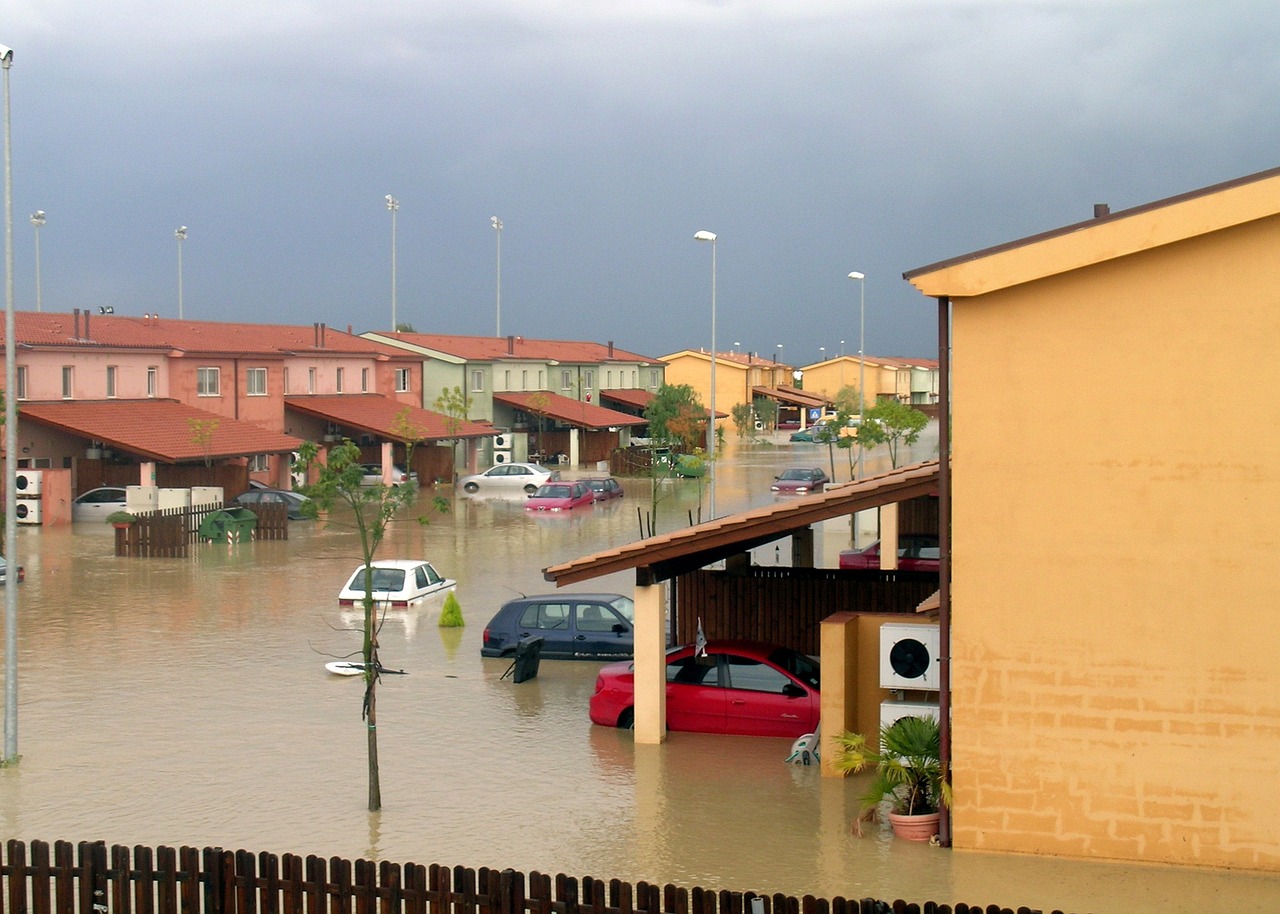
In the aftermath of a flood, assessing damage in West Village homes requires a methodical approach. The first step is to ensure the safety of residents and to activate local flood warning systems, which play an important role in providing real-time data for emergency services. The San Antonio residential flood protection program has been instrumental in helping neighborhoods like West Village prepare and respond to flood events.
Once immediate safety is secured, homeowners should document the extent of the damage through detailed photography and inventory lists. This information is vital for insurance claims and future restoration efforts. According to a study by FEMA, thorough documentation can significantly streamline the claims process, reducing average settlement times by 15%. Property Restoration of the Capital Region, a trusted name in the industry, emphasizes the importance of accurate record-keeping, advising homeowners to maintain all receipts and communication with service providers.
After the initial assessment, it's time to bring in professionals. Local restoration companies, such as CleanUp Crew Inc., specialize in water extraction, drying, and restoration. They employ advanced equipment and techniques to mitigate mold growth and structural damage. Round-the-clock repairs and restoration services are important in preventing further complications, especially in a region as prone to flooding as West Village. A 2020 report by the Local Governments Association highlighted the importance of prompt action, noting that immediate intervention can save up to 70% of damaged property value in severe flood events.
The community also matters in flood recovery. Local volunteer groups, business associations like the Astoria Emergency Services and Queensbridge Restoration Network, and insurance brokers can provide invaluable support. They offer not only emotional resilience but tangible aid, ensuring that residents have access to the necessary resources and information for a successful recovery. These efforts are complemented by federal agencies like FEMA, which offers flood recovery resources tailored to specific needs, ensuring that West Village communities can rebuild stronger and more resilient.
Safe, Natural Methods for Water Extraction
In the aftermath of water-related disasters, safe and natural methods for water extraction are important for minimizing damage and ensuring a swift recovery in residential areas like West Village. Unlike aggressive pumping techniques that can lead to further complications, specialized services employ advanced, eco-friendly strategies to extract water and dry out homes efficiently. A reputable local restoration company, such as Property Restoration of the Capital Region, might utilize air movers and dehumidifiers to accelerate the drying process, reducing the risk of mold growth and structural damage.
The approach to water extraction in urban settings, like San Antonio, Dallas, or Houston, goes beyond the immediate removal of floodwaters. Professionals in these regions are trained in disaster preparedness and often offer tailored solutions for areas prone to specific types of flooding. In Houston, for instance, where frequent flooding poses unique challenges, mold removal after a flood becomes a critical service. The Texas city's diverse climate and soil conditions necessitate specialized knowledge and equipment to address the aftermath of water damage effectively.
Adopting measures to flood-proof your home in Dallas or other high-risk areas is another layer of proactive disaster preparedness training. This can include installing check valves to prevent water from backing up into homes through sewer lines, as well as reinforcing doors and windows to resist water intrusion. Local insurance providers, in collaboration with emergency services like Astoria Emergency Services or Staten Island Disaster Relief, often offer guidance on these measures, ensuring residents are better equipped to handle future events.
Community support matters in recovery efforts, as demonstrated by the Queensbridge Restoration Network or the Lower East Side Business Association. These groups facilitate coordination between residents, local businesses, and service providers, ensuring a more efficient and effective response to the damage naturally. By combining advanced extraction methods, proactive flood preparedness, and community collaboration, West Village and other affected areas can recover more swiftly, minimizing the devastating impacts of water damage.
Restoring West Village: A Practical guide

Residential water extraction in West Village, a historic and vibrant neighborhood, presents unique challenges after a flood. The area's intricate network of narrow streets and old buildings requires specialized services for effective the damage restoration. When water invades homes, businesses, and historic structures, swift action is important to minimize losses. This is where local water restoration experts come into play, offering a suite of services tailored to the specific needs of West Village residents.
The first step in restoring West Village to its former glory involves emergency pumping services. Dallas emergency pumping teams are often called upon due to the area's prone-to-flood locations, such as low-lying areas near the Hudson River. These professionals employ advanced equipment to remove standing water quickly, preventing mold growth and structural damage. In 2020, a significant flood event in West Village led to a swift response from local emergency services, demonstrating the critical role they play in community disaster recovery.
After water extraction, the focus shifts to sanitization and rebuilding. Local restoration companies, many of which have experience in San Antonio flood preparedness, offer comprehensive solutions. They employ trained technicians to assess the extent of the damage, then implement specialized cleaning and drying processes. The Lower East Side Business Association in Manhattan coordinates with local insurance providers and restoration networks like Queensbridge Restoration to ensure businesses in flood-prone areas are equipped with flood preparedness kits and efficient recovery plans. Property Restoration of the Capital Region, a trusted name in the industry, emphasizes the importance of quick action and professional expertise to mitigate the impact of water damage.
Frequently Asked Questions About residential water extraction West Village
What is involved in residential water extraction?
Residential water extraction involves the professional removal of water from a home, typically due to flooding, leaks, or humidity issues. The process includes assessing the source and extent of water intrusion, using specialized equipment like pumps, vacuums, and dehumidifiers, and often involves drying and restoring affected areas.
How do I know if I need professional water extraction services?
Signs include noticeable water stains on walls and ceilings, mold growth, musty odors, and warped floors or cabinets. If water damage is extensive, structural integrity could be compromised, necessitating professional intervention to prevent further damage and ensure a safe living environment.
What should I do immediately after a flood or water leak?
First, turn off the main water supply to prevent further leakage. Then, remove as much water as possible using buckets or mops. Don't forget to move valuables and furniture away from affected areas. Contacting a professional water extraction service as soon as possible is important to minimize damage and begin the drying process.
How quickly should I seek professional help after a water emergency?
The faster the better. The longer water sits, the greater the risk for mold growth, structural damage, and health hazards. Aim to contact a reputable water extraction service within 24 to 48 hours of discovery for the best results.
What should I expect from a professional water extraction service?
Professionals will assess the situation, use appropriate equipment to extract water, monitor moisture levels, and employ drying techniques to restore your home. They should also provide guidance on preventing future water damage and offer restoration services for affected contents.
How can I prevent future water damage in my West Village home?
Regular maintenance, such as checking for leaks in pipes, appliances, and HVAC systems, is important. Install water shut-off valves for individual appliances. Use de-humidifiers in damp areas. Ensure proper drainage around your home and regularly clean gutters. Consider a whole-house water filtration system.
In addressing the complex issue of residential water extraction in West Village, this article has illuminated several important points. Assessing the damage is a meticulous process, requiring professionals to document and analyze each affected area. Utilizing safe, natural methods not only reduces environmental impact but also minimizes health risks for residents. The practical guide to restoring West Village homes emphasizes the importance of swift action and expert involvement, with local restoration companies playing a vital role.
The success of post-flood recovery hinges on community and local support. Organizations like Astoria Emergency Services and the Queensbridge Restoration Network demonstrate the power of collaboration. Commercial and industrial services, such as those offered by Chinatown Disaster Response, are essential for larger-scale extraction and repair. Homeowners should be aware of their insurance coverage and the involvement of FEMA (Federal Emergency Management Agency) in disaster relief.
Moving forward, the key takeaways are clear: prioritize safety, engage professionals, foster community, and understand your insurance rights. By adopting these practices, West Village can effectively manage and recover from the damage, ensuring a more resilient future. This article provides a solid foundation for residents and service providers alike, offering practical insights grounded in real-world examples and expert advice.
In the aftermath of a flood in West Village, a methodical approach is important. First, ensure resident safety and activate local flood warning systems. Document the damage thoroughly for insurance claims. Engage professional restoration companies specializing in water extraction and mitigation. Local volunteer groups, business associations, and insurance brokers provide vital support. Federal agencies like FEMA offer tailored resources for flood recovery. Community collaboration and proactive flood preparedness are key to minimizing damage and swift recovery.