



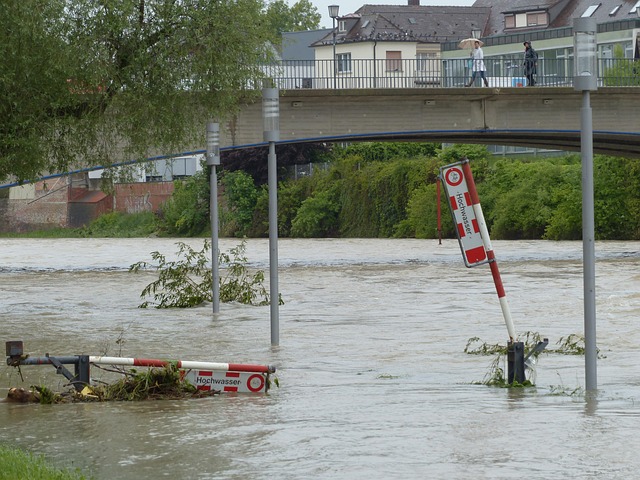

Evaluating and recovering from flood damage in Lower Manhattan requires a systematic approach integrating infrastructure assessment, robust flood-proof measures (adopted from Dallas), advanced cleaning techniques for mold prevention, community education, expert collaborations, strategic property preservation, and proactive preparedness kits. Key insights include the importance of multifaceted recovery plans, community engagement, tailored solutions, well-established plans, government coordination, and improved flood mitigation infrastructure to navigate future events naturally while minimizing downtime and financial losses.
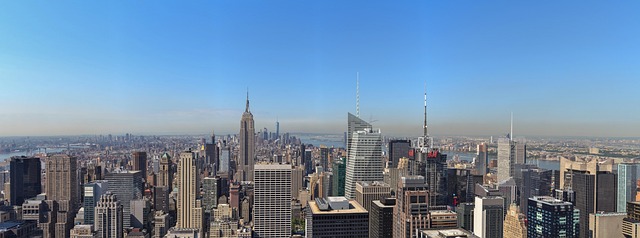
Lower Manhattan’s commercial districts face a significant challenge from flood damage naturally occurring during severe weather events, posing substantial risks to businesses and critical infrastructure. Efficient commercial flood cleanup is not just about restoring physical assets; it’s about minimizing downtime, preserving operational continuity, and ensuring the safety of employees and customers. This authoritative article delves into best practices for effective commercial flood cleanup in Lower Manhattan, offering insights that can serve as a guide for professionals navigating this complex landscape. By exploring strategies tailored to the unique challenges of the area, we aim to enhance resilience and expedite recovery efforts.
- Assessing Flood Damage in Lower Manhattan
- Safe Cleanup Practices for Commercial Properties
- Restoring Business Operations Post-Flood
- Long-Term Recovery Strategies for Flood-Affected Areas
Assessing Flood Damage in Lower Manhattan
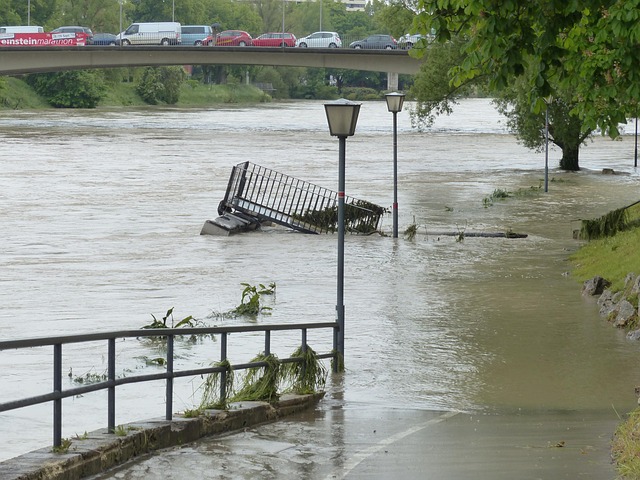
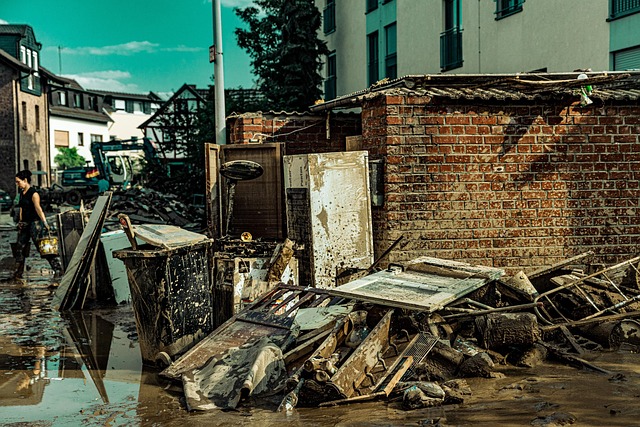
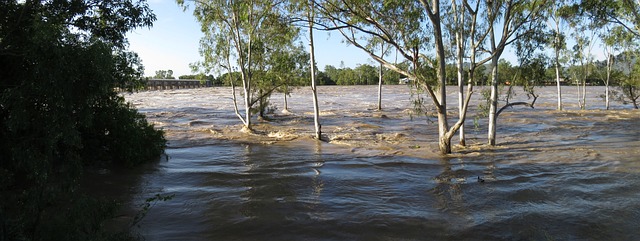
Assessing flood damage in Lower Manhattan requires a systematic approach due to the complex interplay of urban infrastructure and historical flooding events. As areas like this are often densely populated and filled with valuable properties, thorough evaluation is crucial before any cleanup or restoration begins. The initial step involves identifying the extent of the floodwater intrusion—whether it affected only certain zones or engulfed entire neighborhoods. This determination guides the subsequent actions, ensuring that every affected area receives appropriate attention.
Dallas, for instance, has implemented robust flood-proof measures in recent years following past disasters. Property owners there are well-advised to fortify their abodes against potential deluges through strategic design and construction modifications. Similarly, post-flood cleaning specialists play a pivotal role in Lower Manhattan, utilizing advanced equipment and techniques to extract water and prevent mold growth. They also conduct thorough inspections to identify structural damage, electrical hazards, and other critical issues that may have arisen due to the floodwater.
Local flood awareness campaigns, held 1-3 times annually depending on the region’s vulnerability, educate residents on preparedness, response, and recovery strategies. These initiatives underscore the importance of having an emergency plan tailored to each household. Moreover, they promote the concept of community resilience, where neighbors support one another during such crises. As seen in many affected areas, collaborations with organizations like Property Restoration of the Capital Region can be invaluable for comprehensive damage assessments and efficient restoration processes. This partnership ensures that every aspect of flood damage is addressed, from initial assessment to final repair, fostering a faster recovery for all involved.
Safe Cleanup Practices for Commercial Properties

Lower Manhattan’s commercial flood cleanup requires a strategic approach to ensure safe and effective practices for property preservation. When facing the aftermath of a flood, especially due to natural disasters like hurricanes or heavy rainfall, businesses must prioritize safety and adhere to strict protocols. The process involves several critical steps that, when executed correctly, can minimize damage and facilitate a swift recovery. One of the primary considerations is source control—stopping the water from spreading further within the building to prevent secondary damage. This may include methods such as blocking entry points, using sandbags, or employing local flood barrier installation techniques already proven effective in areas like San Antonio.
Proper cleanup and decontamination are essential to mitigate health risks associated with floodwater. The presence of contaminants, bacteria, and potential pathogens necessitates the use of specialized equipment and procedures. For instance, Houston disaster restoration specialists often employ advanced drying technologies to ensure structures are thoroughly dried, reducing the likelihood of mold growth and other post-flood issues. In addition to technical solutions, businesses should invest in comprehensive flood preparedness kits tailored for commercial properties. These kits can include essential supplies like water extractors, air movers, and protective gear, enabling swift response and efficient cleanup.
Once initial damage control measures are in place, a thorough assessment of the property is crucial. This involves inspecting structural integrity, identifying areas of significant damage, and planning for repairs or replacements. Businesses should document every step of the process to facilitate insurance claims and potential reimbursement for flood-related expenses. Moreover, engaging local experts like Property Restoration of the Capital Region can provide invaluable support during this phase, offering guidance on best practices, regulatory compliance, and efficient project management. By combining advanced techniques with proactive measures, commercial properties in Lower Manhattan can navigate flood damage naturally while ensuring a safer, more secure environment for business operations.
Restoring Business Operations Post-Flood

Recovering from flood damage is a complex process that requires a strategic approach to restore business operations as efficiently as possible. Lower Manhattan, like many areas, has faced the challenges of commercial flood cleanup, particularly in the wake of recent extreme weather events. The immediate steps after a flood are critical, from securing the premises to assessing the scope of damage. Business owners must act swiftly to mitigate further losses and ensure a safe environment for employees and customers.
One of the primary concerns is the potential for mold growth, especially in humid climates like Houston, which has experienced significant flooding in recent years. Mold removal after a flood is a specialized task, as it requires extensive cleaning and decontamination. Experts recommend engaging professionals with specific training in mold remediation, such as those offering Houston waterproof basement solutions, to prevent health risks and structural damage. The process involves identifying the source of moisture, removing contaminated materials, and implementing preventive measures to discourage future mold growth.
Once the immediate cleanup is complete, businesses can begin the process of rebuilding and recovering. This may involve updating or replacing damaged equipment, restocked inventory, and reorganizing operations. For instance, a restaurant may need to replace kitchen equipment and restaff to ensure compliance with health and safety regulations. In Dallas, post-flood cleaning specialists can offer valuable assistance in this phase, providing expertise in specialized cleaning techniques and ensuring businesses meet industry standards. As a professional in the field, Property Restoration of the Capital Region has seen the importance of a thorough, structured approach to post-flood recovery, especially for commercial properties. They emphasize the need for businesses to create a detailed recovery plan tailored to their specific operations.
Effective restoration requires a multifaceted strategy, from initial flood damage assessment to final inspection. Business owners should document every step, maintain detailed records, and consider engaging experts in various fields, including water damage restoration, structural repair, and environmental remediation. By following these practices, businesses in Lower Manhattan and similar affected areas can ensure a smoother transition back to normal operations, minimizing downtime and financial losses.
Long-Term Recovery Strategies for Flood-Affected Areas
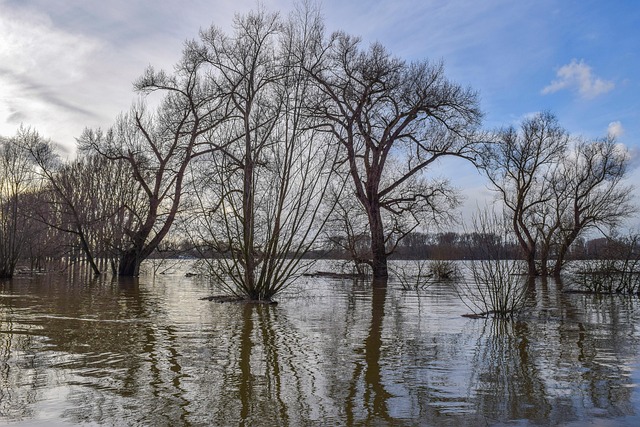
Lower Manhattan’s commercial flood cleanup following recent events underscores the importance of robust long-term recovery strategies for flood-affected areas. Beyond immediate damage mitigation, successful recovery demands a multifaceted approach that addresses physical infrastructure, economic stability, and community resilience. For instance, businesses in hard-hit areas like Austin, Texas, may benefit from volunteer initiatives aimed at restoring commercial spaces—a strategy proven effective during previous disaster responses. Engaging the local community in these efforts not only expedites cleanup but also fosters a sense of collective purpose.
In cities such as San Antonio, proactive flood preparedness kits equipped with essential items like water purification tablets, non-perishable food, and emergency lighting can significantly mitigate the impact of future events. Moreover, Texas-based businesses and residents should invest in specialized flood safety equipment designed to safeguard critical operations and sensitive data. Property Restoration of the Capital Region, for example, offers tailored solutions for commercial properties, including advanced water extraction technology and specialized drying techniques that minimize structural damage and accelerate recovery timelines.
Data from previous floods reveals that communities with well-established recovery plans achieve faster economic rebounds. Local governments play a crucial role in facilitating these efforts by coordinating with emergency services, businesses, and volunteer organizations. Implementing flood mitigation infrastructure, like improved drainage systems and early warning networks, can also reduce the severity of future damage. By adopting these comprehensive strategies, Lower Manhattan—and other vulnerable areas across Texas—can enhance its resilience against future commercial flood damage, ensuring a more swift and sustainable recovery.
The comprehensive exploration of commercial flood cleanup in Lower Manhattan has unveiled critical insights for effective disaster recovery. Key takeaways include the importance of rapid assessment to mitigate flood damage naturally, adherence to safe cleanup practices to prevent secondary risks, and implementing strategic long-term recovery plans. By prioritizing business continuity and adopting robust restoration techniques post-flood, affected areas can foster a resilient and sustainable future. This authoritative article equips professionals with practical knowledge, emphasizing the multifaceted approach required to navigate and overcome the challenges posed by flood damage.