




Flood damage assessment in Brooklyn requires identifying structural issues, health hazards like mold, water sources, and documenting damage. Professional restoration strategies focus on water extraction (using eco-friendly methods for minor events), drying technologies, and dehumidification for severe cases. Rapid response within 24-48 hours minimizes damage. Community education, understanding insurance claims, and consulting experts aid recovery. Property owners should decide between restoring or replacing damaged items based on material type, severity, and health risks, with Texas offering grants for both.
Professional water damage cleanup is a critical service in Brooklyn, where flooding can occur due to heavy rainfall, pipe bursts, or storm surges. Flood damage naturally presents significant risks, from structural harm to mold growth and health issues. Homeowners and business owners alike face complex challenges when confronting these events. This article delves into the intricate world of flood damage restoration, highlighting the expertise and advanced techniques employed by professional cleanup specialists. By understanding their role, you’ll appreciate the vital contribution they make in mitigating losses and ensuring a swift return to normalcy.
- Assessing Brooklyn Flood Damage: The Initial Step
- Water Extraction: Removing Standing Water Naturally
- Drying and Dehumidification: A Critical Process
- Restoration vs. Replacement: Deciding What to Keep
Assessing Brooklyn Flood Damage: The Initial Step
Assessing Brooklyn Flood Damage: The Initial Step
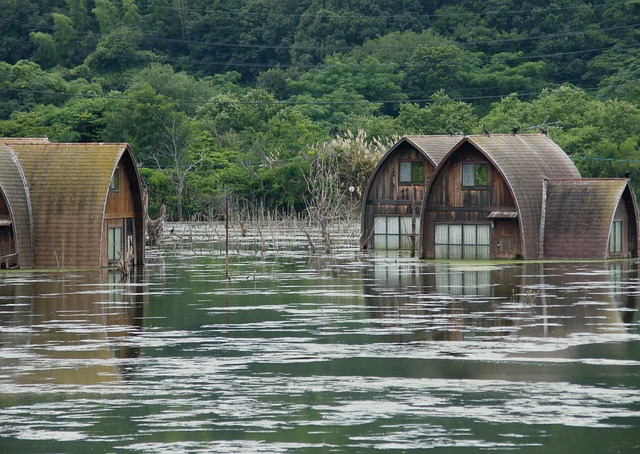
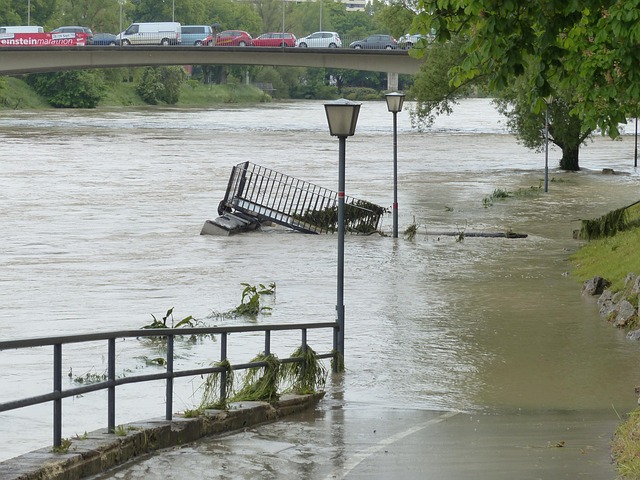
In any flood damage scenario, especially in the vibrant but vulnerable community of Brooklyn, the first step towards recovery is a thorough assessment. This critical process involves identifying the extent of the flood damage, understanding potential hazards, and determining the best course of action for restoration. Property owners and managers must approach this phase with careful consideration, relying on expertise from professionals like Property Restoration of the Capital Region, who are well-versed in Brooklyn’s unique challenges.
One of the primary concerns during an assessment is the potential for secondary damage. Water from floods can cause not only visible structural harm but also foster the growth of mold and mildew, which can pose significant health risks to residents. In a city like Brooklyn, where homes range from historic brownstones to modern apartments, understanding these nuances is essential. For instance, in San Antonio, disaster preparedness training has been instrumental in empowering volunteers to assist in flood recovery efforts, highlighting the community’s resilience during challenging times.
Moreover, assessing flood damage involves evaluating the source and type of water involved. Is it from a burst pipe, heavy rainfall, or a rising river? Each scenario necessitates different cleanup and restoration techniques. In Austin, home flooding solutions have evolved to address these varying causes, offering a wealth of knowledge for Brooklyn property managers. By understanding these dynamics, professionals can develop effective strategies that not only mitigate immediate risks but also prevent long-term damage, ensuring the safety and comfort of residents.
During this initial phase, it’s crucial to document every aspect of the flood damage through high-quality photography and detailed notes. This comprehensive record serves as a roadmap for the restoration process, guiding teams in prioritizing tasks and selecting appropriate solutions. Whether it’s addressing structural issues, removing contaminated materials, or implementing preventive measures, each step builds upon this critical foundation, paving the way for successful recovery and ensuring Brooklyn communities can bounce back stronger than ever.
Water Extraction: Removing Standing Water Naturally

Water extraction is a critical step in professional water damage cleanup, especially when dealing with flood damage naturally. In situations like Austin home flooding or San Antonio residential flood protection, where standing water poses a significant risk to property and health, employing natural methods for initial extraction can be highly effective. The primary goal is to remove as much water as possible without causing further damage, allowing for faster and more efficient drying processes. One of the most common and eco-friendly techniques involves using absorbent materials like sand, clay, or specialized spill kits designed to absorb and contain liquid. These methods are particularly useful in containing and reducing the impact of minor flood events.
For instance, during heavy rainfall, quick response with these natural extraction tools can prevent water from saturating flooring, walls, and furnishings. In fact, studies show that prompt action within 24-48 hours of flooding significantly reduces the risk of mold growth and structural damage. Property Restoration of the Capital Region emphasizes the importance of early intervention, recommending that homeowners prepare spill kits and have a plan in place for minor floods to minimize potential disaster. Once standing water is contained, it can be safely removed using pumps or natural evaporation techniques, depending on the severity of the flood.
However, for more severe cases where large volumes of water have infiltrated the property, professional assistance from experts equipped with advanced extraction equipment is often required. These professionals understand that different materials and structures necessitate tailored approaches, ensuring that every inch of affected area receives thorough cleaning and sanitization. They employ advanced drying technologies alongside natural methods to ensure complete flood damage restoration, leaving homes in San Antonio or Austin safe, dry, and ready for reconstruction or renovation.
Drying and Dehumidification: A Critical Process
Drying and dehumidification are critical components of professional water damage cleanup, especially after a flood. In Brooklyn, where climate patterns can bring sudden and severe rainfall events, proper handling of flood damage is paramount to prevent secondary issues like mold growth and structural degradation. The process involves more than just visually drying surfaces; it’s about removing moisture from the air and materials to create an environment that inhibits the growth of microorganisms and preserves the integrity of affected areas.
Effective drying strategies include using industrial-strength fans, dehumidifiers, and specialized equipment designed for large-scale flood recovery. These tools work in tandem to circulate air, reduce humidity levels, and expedite the evaporation process. Local organizations like Property Restoration of the Capital Region emphasize the importance of rapid response during Brooklyn’s flooding events, noting that quick action within 24-48 hours can significantly minimize damage and associated repair costs.
Beyond technical solutions, community-driven flood awareness campaigns play a vital role in preparing residents for potential deluges. These initiatives educate Brooklynites on recognizing local flood zones, developing emergency plans, and securing valuable belongings. Moreover, understanding Texas flood insurance claims processes empowers homeowners to navigate the financial aspects of recovery more effectively. By combining proactive measures with professional cleanup services, Brooklyn communities can better withstand and recover from flooding events, ensuring the safety and well-being of residents.
Restoration vs. Replacement: Deciding What to Keep

When dealing with flood damage, one of the most critical decisions property owners face is whether to restore or replace affected items. This choice goes beyond aesthetics; it’s a strategic move that can impact the overall cost of recovery and even influence future resilience against Texas floods. In the chaos following a flood, such as those experienced in Houston during severe weather events, prioritizing restoration versus replacement requires careful consideration.
Restoring items, especially those with sentimental value, can be emotionally rewarding. For instance, saving a family heirloom or an artwork passed down through generations might be a priority. Property Restoration of the Capital Region specializes in these delicate cases, employing advanced techniques to salvage and restore various items that hold immense personal significance. However, not all possessions are candidates for restoration. In some instances, particularly with severe water damage, it’s more cost-effective and safer to replace, especially for materials prone to mold growth after floods. Houston and San Antonio, for example, have seen significant flooding events that necessitate thorough mold removal post-flood, a critical step in any recovery process.
The decision should consider the type of material, severity of damage, and potential health risks. For instance, wooden furniture can often be restored if dried properly within 48 hours but may require professional intervention. On the other hand, drywall is more susceptible to mold growth and might need complete replacement after a flood. Texas flood recovery grants are available to assist residents in these endeavors, offering financial support for both restoration and replacement projects. When restoring, it’s crucial to consult experts who can assess the damage and provide guidance tailored to each situation. This ensures that efforts and resources are used efficiently, minimizing potential health hazards and long-term costs associated with flood damage.
By meticulously navigating Brooklyn’s flood damage cleanup process, from assessing initial assessments to restoration versus replacement decisions, this article has empowered readers with a comprehensive understanding of effective, natural flood damage solutions. Key takeaways include the importance of prompt water extraction using natural methods, the critical role of thorough drying and dehumidification, and the strategic approach to determining which items to preserve or replace. Equipped with these insights, homeowners can confidently address Brooklyn’s unique challenges, ensuring their properties are restored to their former glory in a manner that respects both the environment and budget constraints.