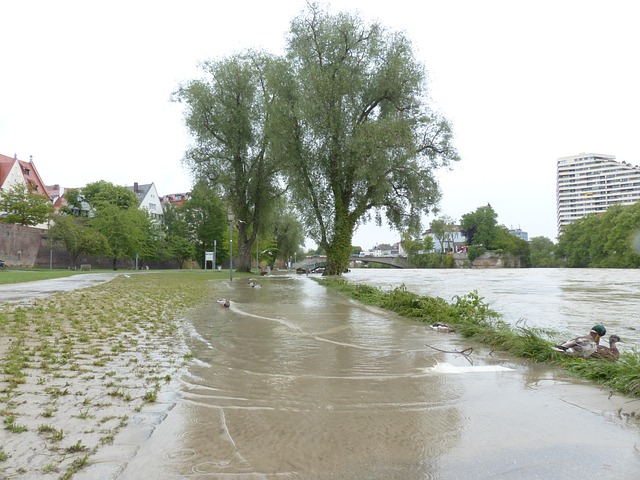







Long Island City faces recurring flood damage due to its location, necessitating swift disaster restoration. Key steps include safety checks, damage documentation, structural assessments, seeking community aid, and mitigating future risks. Efficient remediation involves specialized water extraction, anti-microbial treatments, sealing cracks, and natural drying techniques. A multi-faceted approach combines individual preparedness with collective community efforts, leveraging local resources like Property Restoration expertise for long-term recovery.
In the dynamic yet vulnerable urban landscape of Long Island City, prompt and expert disaster restoration services are not merely a luxury—they’re an essential safeguard against the unpredictable forces of nature. Flood damage, in particular, poses a significant threat, transforming homes and businesses into labyrinths of soggy remnants within minutes. Navigating these crises requires a game-changer—a service capable of swift, efficient, and thorough recovery. That’s where our team comes in. With deep roots in the community, we’re dedicated to providing top-tier same-day disaster restoration solutions, ensuring your Long Island City property regains its vibrancy as quickly as possible, naturally addressing flood damage along the way.
- Understanding Same-Day Disaster Restoration on Long Island City
- Assessing Flood Damage: Key Steps for Immediate Action
- Efficient Remediation Strategies for Prompt Recovery
- Community Resources and Tips for Post-Disaster Healing
Understanding Same-Day Disaster Restoration on Long Island City
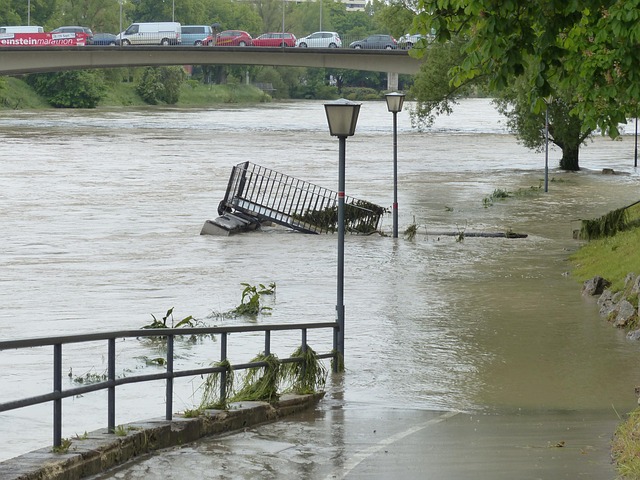
Long Island City, a vibrant hub nestled within New York City, faces unique challenges when it comes to disaster preparedness and restoration. With its proximity to bodies of water and a history of natural occurrences like floods, understanding same-day disaster restoration is paramount for both residents and businesses. Same-day restoration refers to the swift and comprehensive process of recovering from damage caused by disasters such as flood events, which Long Island City has experienced firsthand.
The city’s vulnerability to flood damage is not an isolated phenomenon; it reflects a broader trend across many coastal areas. According to recent studies, the frequency and severity of flooding have increased significantly worldwide, making effective disaster preparedness training more crucial than ever. The San Antonio Disaster Preparedness Training program offers valuable insights into mitigating risks and enhancing community resilience. By educating locals on flood safety measures, this initiative ensures that Long Island City residents are better equipped to handle unforeseen water-related crises.
When flood damage occurs, immediate action is vital. Property Restoration of the Capital Region, a leading expert in disaster restoration services, emphasizes the importance of a swift response. Their team understands the unique challenges of Long Island City’s landscape and has developed innovative solutions for home flooding. By implementing advanced drying technologies and meticulous water extraction techniques, they ensure minimal damage and expedite the restoration process. For instance, their recent work in Austin, Texas, where severe home flooding occurred, showcased their expertise in restoring properties to pre-disaster conditions within a day.
Beyond individual preparedness, local community resilience initiatives play a pivotal role in disaster management. Long Island City has witnessed the power of collective action during past floods, with neighbors and volunteers coming together to support those affected. Fostering a culture of mutual aid and community engagement strengthens the city’s overall resilience. By combining these strategies—enhanced individual preparedness through training, advanced restoration techniques, and robust local initiatives—Long Island City can better navigate and recover from future flood damage, ensuring the safety and well-being of its residents and businesses.
Assessing Flood Damage: Key Steps for Immediate Action
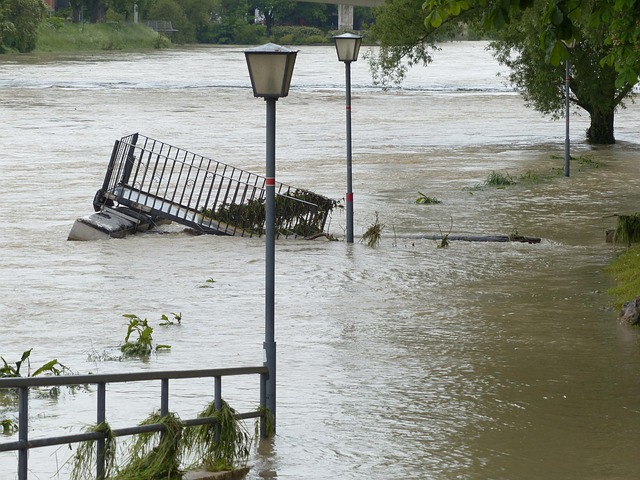
Long Island City, a vibrant hub in New York’s metropolitan area, is unfortunately not immune to natural disasters, particularly severe flooding. When flood damage strikes, immediate action is crucial for minimizing loss and ensuring community resilience. This section provides an in-depth guide on assessing flood damage, offering practical insights for residents and local community resilience initiatives.
The initial steps after a flood event involve a thorough assessment of the property and surrounding area. Property Restoration of the Capital Region experts recommend starting with a safety check: ensure the environment is secure by turning off electricity and gas supplies if necessary. Once safety is confirmed, document the damage using both photographs and video footage. This visual record is invaluable for insurance claims and reconstruction planning. When assessing flood damage, pay close attention to structural integrity, water intrusion points, and the extent of moisture penetration. Look for signs of mold growth, as it can significantly impact health and property value if left untreated.
In the aftermath of a flood, Long Island City residents have access to various support systems. Local community resilience initiatives and Austin flood recovery volunteer opportunities offer much-needed assistance in cleanup and restoration efforts. For instance, San Antonio’s residential flood protection programs provide valuable resources for homeowners looking to mitigate future risks. By participating in these initiatives, residents not only aid in their own recovery but also contribute to the overall resilience of their community. It’s essential to act swiftly; according to recent studies, prompt action within 24-48 hours can significantly reduce restoration costs and minimize long-term damage.
Efficient Remediation Strategies for Prompt Recovery

Long Island City, a vibrant hub in New York City, is particularly vulnerable to disaster events, most notably flood damage due to its proximity to water bodies. Efficient remediation strategies are crucial for prompt recovery, ensuring that homes and businesses can return to normal operations as quickly as possible. In the wake of recent Texas floods, which provided valuable lessons in flood safety tips and cleanup efforts, this section explores effective approaches to managing flood damage naturally, focusing on swift and thorough recovery.
One of the key aspects of successful disaster restoration is quick action. Within hours of a flood event, property owners should begin implementing initial steps such as turning off utilities to prevent further damage and beginning water extraction. Professional teams, like those from Property Restoration of the Capital Region, emphasize the importance of using specialized equipment for Houston flood damage cleanup, including powerful pumps and dehumidifiers, to remove standing water and control moisture levels. This rapid response not only minimizes structural damage but also prevents mold growth, a common issue after flood events.
Beyond initial mitigation, efficient remediation involves a multi-faceted approach. This includes drying out affected areas thoroughly, applying anti-microbial treatments to kill any lingering bacteria or mold spores, and implementing strategies to prevent future water intrusion. For example, sealing cracks and gaps in foundations and installing waterproof barriers can significantly reduce the risk of repeat flood damage. By combining these methods with natural drying techniques and advanced equipment, restoration professionals can ensure that properties in Long Island City recover fully from flood events, fostering a safer and more resilient community.
Community Resources and Tips for Post-Disaster Healing

Long Island City, a vibrant community, often faces the challenges of flood damage, emphasizing the need for robust resources and preparation strategies. Post-disaster healing is a multifaceted process that requires both individual and collective efforts. In this context, Property Restoration of the Capital Region stands as a beacon of expertise, offering insights tailored to the unique needs of the area.
Community resilience begins with education and awareness. San Antonio flood damage prevention initiatives have proven effective in mitigating risks for residents. These programs include comprehensive disaster preparedness training, empowering folks to respond swiftly during emergencies. For instance, learning basic flood safety measures can significantly reduce potential losses. Similarly, Dallas emergency waterproof services have gained recognition for their innovative solutions, showcasing the importance of proactive protection. Implementing these strategies in Long Island City could be a game-changer, ensuring that residents are not just surviving but thriving post-disaster.
Healing goes beyond immediate response; it involves long-term recovery and rebuilding efforts. The community can leverage local resources to foster this process. For instance, utilizing Property Restoration of the Capital Region’s expertise in flood damage restoration naturally ensures that homes and businesses are restored efficiently. Their specialized services cater to various disaster scenarios, providing a sense of security and normalcy post-crisis. Moreover, community initiatives like neighborhood clean-up drives and support groups can accelerate healing by fostering connections and offering practical assistance.
In the aftermath of disasters, it’s crucial to remember that each situation is unique. Adaptability and access to tailored resources are key. By combining local expertise, community spirit, and proactive measures, Long Island City can become a model for resilient communities. This collective approach ensures that the city not only overcomes flood damage but also emerges stronger, with a future filled with sustainable and safe environments.
In conclusion, this article has provided an authoritative guide to same-day disaster restoration in Long Island City, focusing on key aspects such as flood damage assessment, efficient remediation strategies, and community resources for post-disaster healing. The most important insights include the critical steps for immediate action during flood damage, emphasizing quick response and thorough assessment. Efficient remediation strategies highlight the importance of professional intervention to mitigate further loss and ensure prompt recovery. Additionally, understanding the value of community resources and practical tips emphasizes the collective effort required for long-term healing after a disaster. By synthesizing these key learnings, readers are equipped with actionable knowledge to navigate and recover from flood damage naturally, reinforcing the article’s authority on this essential topic.