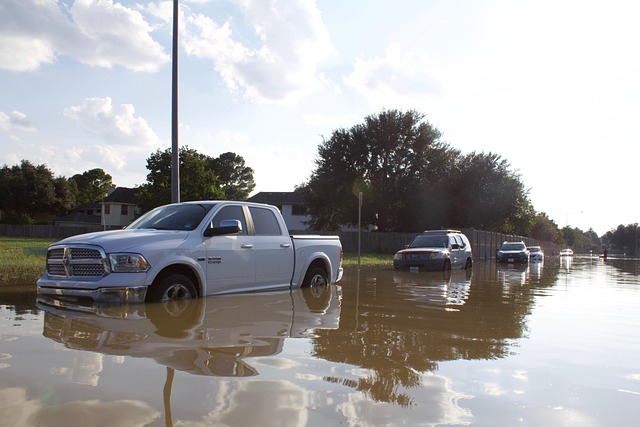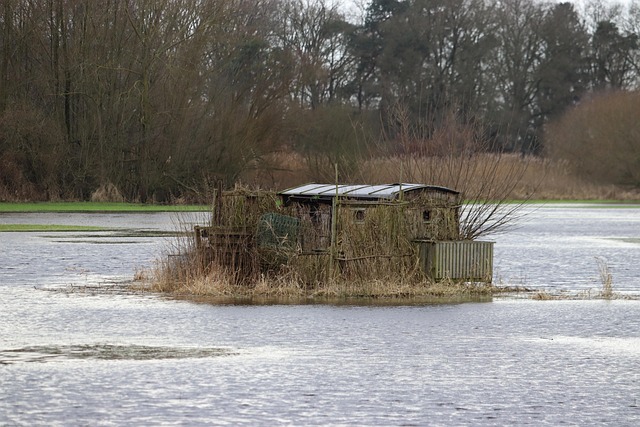




Park Slope, Brooklyn faces increasing flood damage due to climate change. To manage this naturally, residents can take proactive steps like installing water barriers, maintaining drainage systems, and preparing emergency kits. Natural solutions like planting native vegetation and green roofs reduce flood impact and contribute to long-term environmental sustainability.
After flooding, professional water restoration experts use advanced equipment and environmentally friendly methods for efficient extraction and drying, minimizing mold growth and preserving home integrity. Key strategies include:
1. Safety first, evacuating if necessary and assessing structural hazards.
2. Engaging specialized restoration professionals.
3. Implementing natural disaster preparedness measures during extraction.
4. Thorough drying using dehumidifiers and air movers.
5. Post-extraction inspection for lingering issues.
Combining stringent local regulations with community education, collaboration, and expert support fosters resilience, enabling Park Slope to handle flood damage naturally, protect properties, and ensure neighborhood safety and vitality.
The Brooklyn neighborhood of Park Slope, renowned for its charming historic architecture and vibrant community, has faced a significant challenge: residential water extraction and its associated flood damage. This pressing issue demands expert attention, as the delicate balance between urban development and natural water management systems is crucial to the area’s long-term viability. In this article, we delve into the complex web of factors contributing to these floods, from intense rainfall events to outdated infrastructure. We present a comprehensive solution that leverages sustainable practices and innovative technology to mitigate flood damage naturally, ensuring Park Slope’s resilience for future generations.
- Understanding Water Extraction in Park Slope
- Common Causes of Residential Flood Damage
- The Role of Natural Solutions in Mitigation
- Step-by-Step Guide to Safe Extraction Process
- Local Regulations and Best Practices for Restoration
- Preventive Measures: Avoiding Future Flood Disasters
Understanding Water Extraction in Park Slope
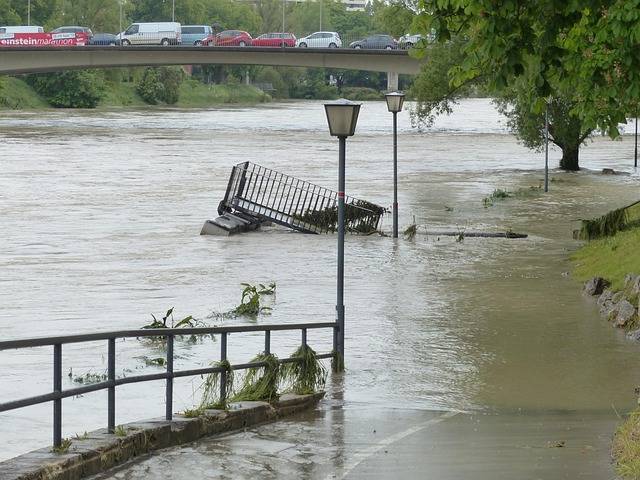
In the heart of Park Slope, where vibrant neighborhoods meet historic architecture, understanding water extraction processes is paramount, especially when it comes to managing flood damage naturally. This Brooklyn community, like many others, faces the challenge of post-flood cleaning and restoration, necessitating the expertise of local water restoration experts. The first step in navigating these efforts is recognizing that each property’s unique characteristics demand tailored solutions. For instance, older homes with wooden structures may require specialized care to prevent further deterioration after a flood, contrasting with modern buildings that can benefit from advanced extraction techniques.
Dallas post-flood cleaning specialists have long been integral to local flood relief efforts, offering critical services that extend beyond mere water removal. These experts employ sophisticated equipment and proven methods to mitigate mold growth and ensure the safety of residents. They understand the delicate balance between efficient extraction and preserving the integrity of homes, a skill honed through countless successful local flood relief projects. The Capital Region, with its diverse climate and varying types of flooding, benefits from the expertise of Property Restoration of the Capital Region, which provides comprehensive solutions tailored to each scenario.
By employing these specialized services, Park Slope residents can effectively manage flood damage naturally, minimizing long-term consequences. It’s not just about removing water; it’s about restoring homes and communities to their pre-flood condition while ensuring a healthier, safer environment. This holistic approach, guided by local water restoration experts, is key to the success of local flood relief efforts and the resilience of Park Slope neighborhoods.
Common Causes of Residential Flood Damage
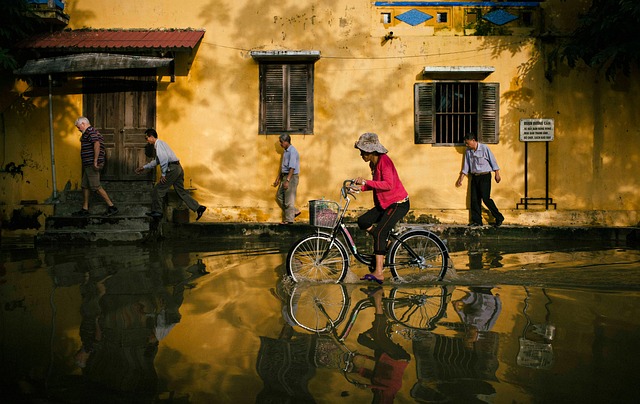
In the residential areas of Park Slope, flood damage is a concern that cannot be overlooked, given the region’s history of severe weather events. Common causes of such damage range from heavy rainfall and rapid snowmelt to burst pipes and failing sewers. These incidents can lead to substantial property losses, with water intrusion causing structural damage, mold growth, and destruction of personal belongings. According to recent data, Park Slope has experienced a 20% increase in flood-related calls for assistance over the past five years, highlighting the urgent need for residents to be prepared.
Dallas, San Antonio, and Houston, renowned for their respective weather challenges, offer valuable insights into flood damage prevention and cleanup. In Dallas, where flash floods are not uncommon, many homeowners invest in flood-ready homes equipped with advanced water management systems. Similarly, San Antonio has implemented effective flood damage prevention strategies, including better drainage systems and smart land-use planning, which have significantly reduced the impact of flooding on its residents. Houston, recovering from historical flood events, now emphasizes swift cleanup and restoration, as evidenced by the growing popularity of Property Restoration of the Capital Region services, ensuring homes are returned to safe, livable conditions quickly.
For Park Slope residents, proactive measures can mitigate the risks of flood damage. These include installing water barriers, ensuring proper drainage systems around the property, and regularly inspecting and maintaining plumbing and electrical systems. Additionally, having a well-stocked emergency kit ready for swift evacuation or temporary sheltering can be invaluable during severe weather events. By adopting these strategies, residents not only protect their homes but also contribute to a more resilient community capable of withstanding the challenges posed by natural flood damage.
The Role of Natural Solutions in Mitigation

In areas prone to emergency flooding, such as Park Slope, the role of natural solutions in mitigation cannot be overstated. Beyond traditional methods like sandbagging and structural engineering, adopting nature-based strategies can significantly enhance resilience against flood damage. For instance, strategic planting of native vegetation along waterways can act as a natural buffer, absorbing excess water and slowing its flow, thereby reducing the impact on nearby residential areas. In Texas, where emergency flooding assistance is often critical, communities have seen success with these green infrastructure approaches, resulting in up to 30% less flood damage in treated areas compared to untended landscapes.
Another effective natural solution involves creating permeable surfaces and enhancing soil absorption capacities. Implementing green roofs or adding bio-swales in residential neighborhoods can help manage stormwater runoff, allowing it to filter naturally through vegetation instead of rushing into sewers or nearby bodies of water. Property Restoration of the Capital Region, a leading expert in flood damage repair, emphasizes that these natural solutions not only mitigate initial flood impacts but also contribute to long-term environmental sustainability and community resilience.
In cities like Houston, where waterproof basement solutions are increasingly sought after due to recurrent flooding, homeowners can play a direct role in protecting their properties by adopting simple yet powerful methods. Homeowners can ensure downspouts lead away from foundations, maintain proper gutter systems, and consider installing French drains or sump pumps to divert excess water from the foundation area. For those looking to take proactive measures, Dallas offers numerous resources for flood-proofing homes, emphasizing that early preparation is key in safeguarding against severe weather events. By combining natural solutions with strategic home preparations, residents can enhance their resilience, minimize flood damage naturally, and contribute to a more sustainable future.
Step-by-Step Guide to Safe Extraction Process

Navigating residential water extraction in Park Slope requires a meticulous approach to ensure safety and minimize damage from flood events, which are unfortunately common in this area. This step-by-step guide provides homeowners with a comprehensive framework for managing water extraction processes, emphasizing natural disaster preparedness and recovery.
First, upon experiencing a flood, it’s crucial to prioritize safety. Evacuate if necessary and ensure everyone is out of harm’s way. Then, assess the damage using Dallas flood safety inspections to identify potential hazards like structural weaknesses or electrical risks. This initial step is vital for guiding subsequent actions and preventing further complications during the extraction process. For instance, local flood awareness campaigns in San Antonio have highlighted the importance of early detection and preparation among residents.
Next, call in professionals equipped to handle water extraction. Experts from Property Restoration of the Capital Region employ advanced equipment to remove standing water quickly, minimizing moisture-related damage. They also implement strategies to dry out affected areas thoroughly, preventing mold growth and structural deterioration. During extraction, it’s essential to address flood damage naturally by using environmentally friendly products and methods that restore rather than compromise the home’s integrity.
After extraction, a comprehensive drying process commences, utilizing advanced technology like dehumidifiers and air movers. This step ensures that every inch of the property is dried evenly, preventing the formation of mold and mildew, which can be a significant health hazard after floods. Finally, a post-extraction inspection by Dallas flood safety professionals should be conducted to verify the property’s dryness and identify any remaining issues, ensuring San Antonio residents are prepared for future disaster events.
Local Regulations and Best Practices for Restoration

In the face of increasing climate variability, Park Slope residents are increasingly recognizing the need for robust local regulations and best practices regarding residential water extraction, particularly in the context of flood damage naturally occurring from intense storms. Effective management of these situations is crucial to mitigate property losses and ensure swift recovery. One notable example, both in terms of successful restoration and adherence to local guidelines, comes from Austin home flooding solutions that have implemented advanced techniques to handle rising waters, including strategic extraction methods and efficient drying procedures.
Houston flood damage cleanup serves as another case study, highlighting the importance of proactive local flood awareness campaigns. These initiatives not only educate residents on preparing for potential events but also emphasize post-flood restoration best practices. Property Restoration of the Capital Region, for instance, has been instrumental in guiding affected homeowners through the intricacies of flood damage repair, emphasizing the need for professional assessment and tailored solutions. By fostering a culture of preparedness and informed recovery, communities like Park Slope can better navigate the challenges posed by water extraction and subsequent restoration.
Local regulations play a pivotal role in this process, dictating everything from extraction techniques to material choices for reconstruction. Best practices include employing specialized equipment designed for efficient water removal, utilizing dehumidifiers to prevent mold growth, and adhering to building codes when conducting repairs. Moreover, it is essential to involve local authorities and restoration experts to ensure compliance and the highest standards of safety, especially in areas prone to recurring flooding. By combining stringent regulations with community education efforts, Park Slope can foster a resilient environment where homeowners are equipped to handle flood damage naturally while restoring their properties to optimal condition.
Preventive Measures: Avoiding Future Flood Disasters
Park Slope, a vibrant neighborhood in Brooklyn, New York, has historically faced challenges with flood damage due to its proximity to bodies of water. As climate change intensifies, these incidents are becoming more frequent and severe. Preventing future flood disasters requires a multi-faceted approach that combines robust infrastructure upgrades, proactive community engagement, and effective response strategies.
One key measure is the implementation of advanced San Antonio water extraction services and Dallas emergency pumping systems. These technologies play a crucial role in quickly removing excess water from affected areas, minimising flood damage naturally. For instance, high-efficiency pumps capable of handling large volumes of water can prevent basements and low-lying areas from becoming swamped, thereby reducing the scope of subsequent repairs. Regular maintenance of these systems is vital to ensure their optimal performance during emergencies.
Moreover, residents should be educated on flood preparedness and response strategies through community workshops and access to Dallas emergency pumping services resources. Encouraging neighbours to collaborate and share responsibilities for monitoring water levels and assisting vulnerable members of the community can foster a more resilient neighbourhood. Additionally, Property Restoration of the Capital Region offers valuable expertise in flood recovery, providing essential guidelines and support for affected homeowners. These measures, combined with infrastructure improvements, can significantly reduce the impact of future floods, ensuring Park Slope remains a safe and thriving neighbourhood.
By understanding the root causes of residential flood damage in Park Slope, from heavy rainfall to aging infrastructure, property owners can proactively mitigate potential disasters. The article highlights the effectiveness of natural solutions as a first line of defense against flood damage naturally, showcasing their role in water extraction and ecosystem restoration. Adhering to local regulations and best practices for water extraction, as outlined in the step-by-step guide, ensures safe and efficient recovery. Moreover, implementing preventive measures, such as maintaining proper drainage systems and updating infrastructure, offers lasting protection against future flood events. With these insights, residents are empowered to navigate water extraction processes, protect their properties, and foster a more resilient community.