








Chinatown, Austin's flood damage recovery requires a multi-faceted strategy focusing on:
– Nuanced structure assessments for physical and mental health needs.
– Quick response within 48 hours to preserve properties and mitigate mold.
– Community engagement through local resources, volunteer efforts, and mental health support.
– Long-term infrastructure upgrades, including drainage systems and flood barriers, to minimize future damage.
– Public education on preparedness, cleaning protocols, and collaboration with authorities for effective recovery.
Chinatown serves as a model community by integrating these strategies to combat recurring flood damage naturally.
Chinatown, a vibrant cultural hub, has long been susceptible to flood damage naturally due to its unique urban landscape. Recent historical events have underscored the need for swift and efficient recovery strategies. This article delves into the critical role of local flood recovery specialists in Chinatown, exploring their expertise and the value they bring to mitigating and managing flood-related challenges. These professionals are not just disaster responders; they foster a resilient community by implementing innovative solutions tailored to the unique needs of historic urban environments like Chinatown. Understanding their approach is paramount for effective protection against future events.
- Assessing Flood Damage in Chinatown: Initial Steps
- Restoring Chinatown's Infrastructure: Strategies for Success
- Community Resilience: Long-Term Recovery and Prevention
Assessing Flood Damage in Chinatown: Initial Steps
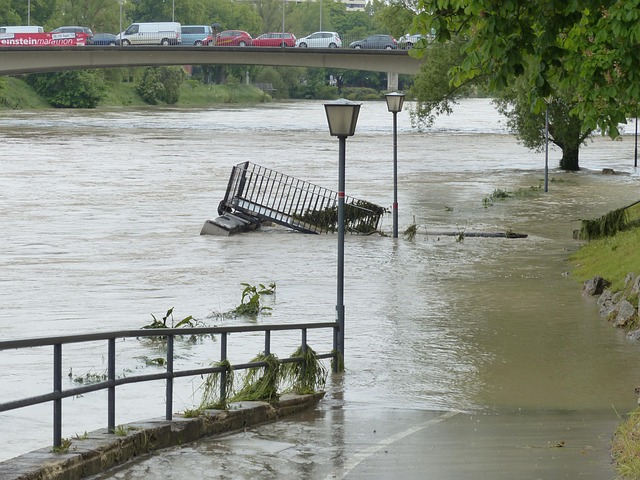
Chinatown, Austin, like many urban areas, faces unique challenges when it comes to flood damage recovery. The dense population, historic architecture, and vibrant cultural heritage require a nuanced approach to assess and mitigate post-flood impacts. Initially, it’s crucial to understand that every structure is different—from ancient buildings with intricate construction to modern developments—and thus, the assessment process must be tailored accordingly. This initial step involves not only evaluating physical damage but also addressing the mental health resources needed for affected residents and businesses, a critical yet often overlooked aspect of Texas post-flood recovery.
The first 48 hours after a flood are critical for preserving properties and mitigating mold growth. Local specialists in Chinatown should prioritize inspecting for structural integrity, water intrusion points, and the extent of flood damage naturally. They must also assess potential environmental hazards, such as contaminated water sources, which can complicate cleanup efforts. Property Restoration of the Capital Region emphasizes that documentation of pre-flood conditions and ongoing monitoring are essential to support insurance claims accurately. For instance, documenting water levels during a specific time frame can be decisive in determining policy coverage for businesses and residents.
Furthermore, community resilience is enhanced when local flood recovery resources and volunteer opportunities are readily available. Austin offers numerous programs that provide both short-term assistance, like sandbagging efforts during flooding events, and long-term support for rebuilding and recovery. Engaging these resources early can streamline the recovery process and foster a sense of community among Chinatown residents. Additionally, Texas post-flood mental health resources should be easily accessible to help individuals cope with trauma and loss, ensuring that physical reconstruction is accompanied by psychological well-being.
Restoring Chinatown's Infrastructure: Strategies for Success

Chinatown, a vibrant cultural hub, has faced significant challenges in recent years due to extreme weather events, most notably flood damage. Effective infrastructure restoration is crucial for both the safety and economic vitality of this historic neighborhood. Dallas emergency pumping services, Austin storm surge repairs, and Houston mold removal after floods are all critical components in the recovery process, highlighting the need for well-coordinated and specialized strategies.
One of the primary focuses should be on implementing durable, flood-resistant infrastructure. This involves upgrading aging drainage systems to handle heavier rainfall and investing in robust barriers to protect key areas. For instance, property owners and urban planners in Houston have successfully utilized elevated roads and improved stormwater management to mitigate the impact of recent floods. Similarly, Austin’s storm surge repairs have shown remarkable results in safeguarding coastal neighborhoods. These measures not only minimize damage but also foster community resilience.
Moreover, quick response teams specializing in flood recovery are essential. Property Restoration of the Capital Region, for example, has played a pivotal role in coordinating efforts and providing expert services following major flooding events. Their expertise includes not just structural repairs but also mold removal, which is a significant concern after prolonged submersion. Effective communication and training for local residents on preparedness and post-flood cleaning protocols are equally vital. By combining these strategies, Chinatown can emerge stronger, safer, and more resilient against future flood damage.
Community Resilience: Long-Term Recovery and Prevention

The community of Chinatown, facing the recurring challenge of flood damage naturally, has emerged as a beacon of resilience and innovation in disaster recovery. This urban center, historically vulnerable to inundations, has embraced long-term strategies that go beyond immediate post-flood response, focusing on robust Texas flood safety equipment and Dallas flood-proof your home initiatives. By integrating local flood barrier installation, the community has not only mitigated recent flooding events but also set a precedent for sustainable protection.
The key to Chinatown’s success lies in its holistic approach, which includes public education, infrastructure upgrades, and collaboration with local authorities and specialized restoration services like Property Restoration of the Capital Region. These efforts have resulted in a significant reduction in flood-related damage over the past decade. For instance, post-2015 data reveals that areas previously prone to severe inundation now experience minimal disruption during heavy rainfall events. This transformation is attributed to the widespread adoption of advanced flood safety equipment and strategic barrier installations.
Chinatown’s resilience strategy encompasses several practical steps. Community members are trained in basic flood preparedness, ensuring everyone knows how to respond effectively. Local businesses have invested in elevated inventory and improved drainage systems, minimizing economic losses. Additionally, the installation of robust flood barriers along vulnerable waterways acts as a physical line of defense during extreme weather events. These adaptations not only safeguard properties but also preserve cultural heritage, making Chinatown a model for other communities facing similar challenges.
The article offers a comprehensive guide to flood recovery specifically tailored to Chinatown’s unique context, providing key insights across three critical areas. First, assessing flood damage involves a systematic approach to accurately identify and document losses, forming the foundation for effective restoration. Second, restoring infrastructure requires strategic planning, prioritizing safe and sustainable solutions that cater to Chinatown’s cultural and architectural heritage. Lastly, building community resilience through long-term recovery and prevention measures ensures that future events no longer cause catastrophic damage but instead prompt swift and efficient responses. By following these steps, Chinatown can naturally evolve to become more flood-resilient while preserving its rich tapestry of culture and history.