








In areas prone to flooding, swift action is critical for minimizing flood damage and mold growth (within 24-48 hours). Professional restoration experts offer safe removal, tailored plans, and long-term solutions like waterproof basements. Data shows half of commercial properties never reopen after severe events. Mold species proliferate in moist environments, posing health risks. Professional services use specialized equipment to mitigate health risks and prevent future issues. Flood barriers, swift cleanup, and advanced drying techniques enhance resilience in urban centers like Houston's Financial District. DIY efforts are suitable for minor cases; professional assistance ensures thorough decontamination and asset preservation. Long-term structural improvements and code updates further reduce flood damage impacts.
In the heart of the Financial District, flood events pose a significant threat to both property and public health, with flood damage naturally exacerbating existing challenges. Prompt and effective emergency mold removal is not just an option—it’s a critical component of disaster recovery. This comprehensive guide delves into the intricate process, highlighting best practices for navigating post-flood environments. We explore the unique complexities of mold in flooded spaces, providing authoritative insights to empower professionals and residents alike to mitigate risks and restore affected areas safely and efficiently.
- Assessing Flood Damage: First Steps After a Deluge
- Understanding Mold Growth: The Natural Aftermath
- Safety First: Protecting Yourself During Remediation
- Efficient Cleanup Techniques for Commercial Spaces
- Professional Mold Removal: When to Seek Expertise
- Restoring Financial District: Long-Term Solutions and Prevention
Assessing Flood Damage: First Steps After a Deluge
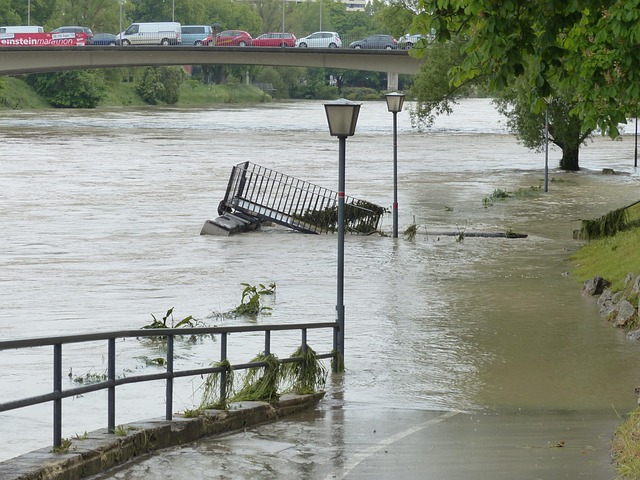
In the aftermath of a flood, assessing flood damage is the crucial first step towards recovery for businesses and residents in the Financial District. The initial assessment determines the extent of the loss and guides subsequent actions, from emergency mold removal to rebuilding efforts. According to recent data, commercial properties in areas prone to flooding can suffer significant losses—an average of 40% of businesses never reopen after a severe flood event. Therefore, swift and thorough evaluation is paramount to mitigate these losses.
The first few hours following a deluge are critical for minimizing water damage and preventing mold growth. Property owners should document the incident meticulously, capturing both visible and hidden water intrusion points. This includes checking basements, crawl spaces, and any areas prone to moisture accumulation in Houston, Austin, or San Antonio—where storm surges can cause extensive flooding. For instance, in San Antonio’s historic downtown, a recent flood event highlighted the importance of prompt action: within 48 hours, specialized water extraction services were deployed to prevent substantial mold infestation.
After identifying flood damage, it’s essential to consult with experts like Property Restoration of the Capital Region. They can provide a comprehensive plan for safe removal of contaminated materials and restoration of affected areas. This process often involves specialized equipment and techniques tailored to each property’s unique challenges. In Austin, for example, where some neighborhoods face frequent storm surges, homeowners may invest in waterproof basement solutions to protect valuable assets and reduce the need for extensive repairs following future floods.
Understanding Mold Growth: The Natural Aftermath

Mold growth after floods is a natural phenomenon, but it can also be a significant concern for homes and businesses in affected areas, such as the Financial District. Understanding how mold thrives in post-flood conditions is crucial for effective emergency response and long-term recovery. After a flood, moisture levels rise dramatically, creating an ideal environment for mold spores to proliferate. These spores are ubiquitous in the air and can attach to various surfaces, including walls, ceilings, and flooring, especially if they remain wet for an extended period.
In Austin, Houston, and across Texas, where recent floods have caused extensive damage, the presence of water is a catalyst for mold growth. Mold species like Cladosporium, Penicillium, and Aspergillus are commonly found in flooded buildings, and their colonies can develop rapidly within 24-48 hours if left unchecked. For instance, research by the Texas A&M University shows that certain mold types can survive even in shallow water, quickly colonizing surfaces as soon as they become wet. This underlines the urgency of prompt action during Austin flood recovery support groups or Houston flood damage cleanup efforts to mitigate potential health risks and extensive property damage.
Property Restoration of the Capital Region emphasizes the importance of professional intervention for thorough mold removal. Delving into flood-damaged areas, especially in hard-hit regions like Texas, requires specialized equipment and expertise. Trained professionals understand that simply drying out the space is not enough; they employ advanced techniques to eliminate hidden moisture sources and use appropriate disinfectants to kill existing molds. This comprehensive approach ensures a healthier environment for residents and minimizes the risk of future mold-related issues, which can persist for years if left untreated, as evidenced by long-term studies on post-disaster housing in similar regions.
Safety First: Protecting Yourself During Remediation
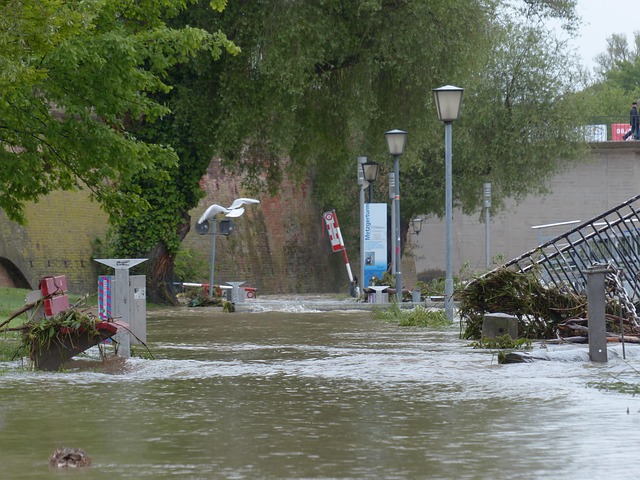
When dealing with flood damage, especially after a major event like those experienced in the Financial District, safety should be the top priority during any remediation efforts. Mold, a common aftermath of flooded areas, poses significant health risks if not handled correctly. It’s crucial to understand that mold can grow rapidly—often within 24-48 hours—in warm and moist environments, which are precisely the conditions that occur after a flood. This urgency underscores the need for immediate action, as well as professional expertise, to ensure safe and effective mold removal.
Professional remediation services, such as those offered by Property Restoration of the Capital Region, prioritize safety through comprehensive training in handling hazardous materials and implementing specialized equipment designed to mitigate health risks. Their methods include advanced techniques like air filtration and negative pressure systems to prevent the spread of mold spores while working. For instance, San Antonio water damage mitigation experts often employ these strategies, ensuring a safe environment for both residents and restoration technicians. Similarly, Austin flood recovery support groups can provide emotional and practical assistance during what can be a traumatic experience, fostering community resilience alongside physical restoration.
Houston waterproof basement solutions offer another vital aspect of flood preparation and recovery. Installing effective waterproofing systems can significantly reduce the likelihood of future water intrusion, minimizing the potential for mold growth. By addressing both immediate mold removal needs and long-term prevention strategies, professionals in this field empower homeowners to protect their investments and ensure a healthier living environment post-flood. Always remember: safety should never be compromised when dealing with flood damage, making expert intervention a critical step in the recovery process.
Efficient Cleanup Techniques for Commercial Spaces
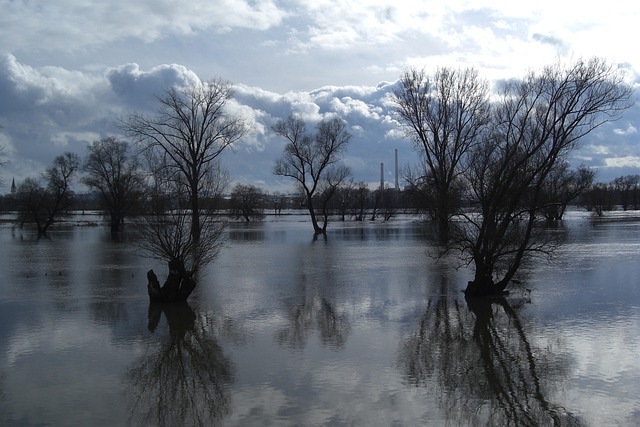
The Financial District, like many urban centers, faces unique challenges when it comes to flood damage cleanup due to its proximity to water bodies and the high density of commercial spaces. Efficient cleanup techniques are paramount to mitigate mold growth and ensure the rapid restoration of these vital business hubs. After a flood, quick action is crucial; every hour counts in preventing extensive water damage and subsequent mold issues. One effective strategy involves employing local flood barrier installation methods that can act as a first line of defense against future inundations. For instance, Dallas has successfully implemented flood-proof home techniques that could offer valuable insights for the Financial District’s commercial properties.
Given the scale of recent floods in Houston, data reveals that swift cleanup and remediation efforts are key to saving structures from severe water damage. Property Restoration of the Capital Region, a leading expert in emergency mold removal, emphasizes the importance of professional intervention during these critical phases. Their team understands that thorough cleaning involves more than just removing visible water; it’s about drying out walls, floors, and insulation to prevent mold colonization. This is particularly essential as mold can spread rapidly, often hidden behind walls or under flooring, causing long-term health issues for occupants and significant structural damage if left untreated.
To ensure effective cleanup, Property Restoration recommends a multi-step process: first, assess the extent of water intrusion; second, use specialized equipment to extract standing water; third, dry out the area using advanced dehumidification techniques. This method, when applied promptly, can significantly reduce mold growth and expedite the return of commercial spaces to their pre-flood condition. By combining local flood barrier installation with swift cleanup practices, the Financial District’s business community can better prepare for and recover from flooding events, ensuring a more resilient urban environment.
Professional Mold Removal: When to Seek Expertise
In the aftermath of a flood, swift action is crucial to mitigate damage and prevent costly repairs down the line. While some minor cases of flood damage may be manageable with DIY methods, professional mold removal services are an essential consideration for more severe instances, especially in densely populated areas like New York’s Financial District. When water intrudes into structures, it leaves behind moist environments conducive to mold growth—a silent invader that can wreak havoc on health and property values if left unchecked.
The challenge is exacerbated by the unique challenges of urban centers like Houston, San Antonio, and Dallas, where high-rise buildings and limited space create complex water mitigation scenarios. In these settings, professional disaster restoration specialists are equipped with specialized equipment and in-depth knowledge to navigate labyrinthine structures and hard-to-reach areas affected by floodwater. Their expertise lies in understanding the science of mold growth, implementing effective decontamination protocols, and utilizing advanced technologies for efficient water extraction and drying processes. For instance, Property Restoration of the Capital Region specializes in these scenarios, offering comprehensive solutions tailored to the unique needs of commercial properties in New York City.
Seeking professional assistance is particularly crucial if mold has already begun to grow or if there’s a high risk of its development. Signs include visible mold patches, musty odors, water damage, or unusual stains on walls and ceilings. Homeowners and business owners in Dallas should prioritize flood-proofing their properties through advanced barriers and systems to minimize the impact of future floods. While DIY efforts can be beneficial for minor cases, professional water damage mitigation services ensure thorough drying, temperature control, and decontamination, preventing further damage and ensuring a healthier environment. Acting promptly not only saves valuable assets but also minimizes the emotional and financial toll associated with extensive mold remediation.
Restoring Financial District: Long-Term Solutions and Prevention
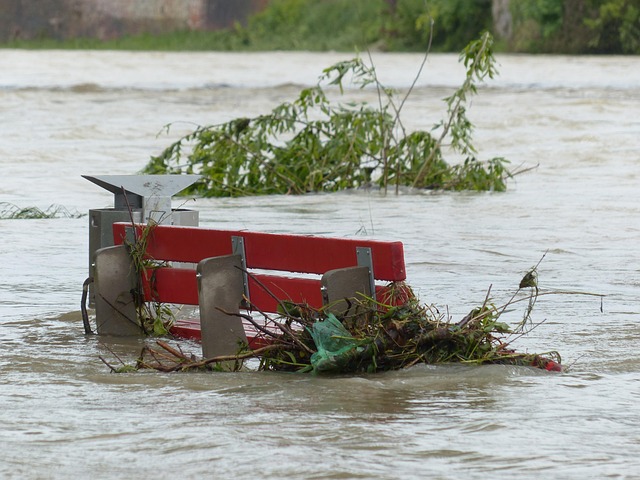
The Financial District of Houston, like many other areas across Texas, has faced significant challenges due to recurring flood events. Efficient emergency mold removal after floods is a critical component of the recovery process, as unchecked mold growth can lead to substantial property damage and health risks. To restore this bustling district effectively, a multi-faceted approach combining immediate response with long-term solutions is essential.
Following a flood, it’s crucial to act swiftly to prevent mold proliferation. Houston mold removal after floods should commence within 24 to 48 hours to minimize water intrusion and drying time, hindering mold development. Property Restoration of the Capital Region, an expert in disaster recovery, emphasizes the importance of documenting damage thoroughly before beginning any cleanup. This includes taking photos and creating a detailed inventory of affected items, which can aid in insurance claims and future reference.
Long-term flood safety tips for the Financial District involve implementing structural improvements to mitigate water intrusion. These include enhancing drainage systems, installing waterproof barriers, and elevating critical infrastructure. Texas flood safety tips also advocate for homeowners and businesses to invest in robust dehumidifiers and air purifiers, which play a vital role in drying out spaces and preventing mold growth during post-flood recovery. Additionally, regular maintenance checks and updates to building codes can significantly improve the district’s resilience against future flooding events.
To support the community in these efforts, various flood recovery resources are readily available. Local government agencies, non-profits, and professional restoration companies offer guidance, financial assistance, and specialized services tailored to Texas’ unique flood safety challenges. By combining proactive measures with efficient mold removal techniques, the Financial District can enhance its resilience against future floods and ensure a faster, more effective recovery process.
Flood damage naturally occurs following severe floods, necessitating a swift and thorough response. This article has provided an authoritative guide to navigating emergency mold removal, from initial assessment to long-term restoration in the Financial District. Key insights include understanding mold growth dynamics post-flood, prioritizing safety during remediation, and employing efficient cleanup techniques for commercial spaces. Recognizing when professional expertise is required is crucial, as expert intervention ensures thorough and safe mold removal. Additionally, implementing proactive measures like water extraction systems and regular inspections can significantly mitigate flood damage naturally and prevent future mold issues. Readers now possess a comprehensive toolkit to address emergency mold removal effectively, ensuring the Financial District’s resilience against these challenges.