
After a flood, immediate actions are crucial for safety and mitigating natural flood damage. Key steps include evacuating if necessary, assessing water levels, documenting damage, seeking mental health support, and following local guidelines for mold removal. Prompt action is vital to prevent extensive mold growth, especially in damp environments. Community involvement through awareness campaigns helps early detection. Restoring damaged areas involves specialized techniques, thorough cleaning, implementing drainage systems, and hiring certified professionals to minimize long-term risks from flood damage naturally.
Emergency mold removal after floods in the Financial District presents a significant challenge for property managers and residents alike. Flood damage naturally fosters an environment conducive to mold growth, posing health risks and compounding restoration efforts. The intricate labyrinth of buildings and limited accessibility unique to this urban center complicates traditional cleanup methods. This article delves into the authoritative strategies for navigating flood-induced mold removal, equipping professionals with the knowledge to swiftly and effectively mitigate harm, ensuring the safety and well-being of all affected by these critical situations.
- Assessing Flood Damage: Natural First Steps After a Deluge
- Safe Removal: Preventing Health Risks from Mold in The Financial District
- Restoring Your Space: Comprehensive Guidance for Post-Flood Remediation
Assessing Flood Damage: Natural First Steps After a Deluge
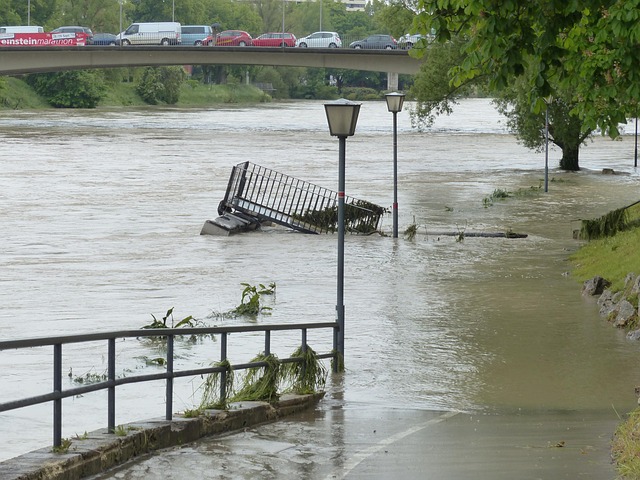
After a flood strikes, the initial steps to take are crucial for mitigating flood damage naturally and ensuring your safety. In the aftermath of such an event, particularly in urban centers like San Antonio's Financial District, understanding how to navigate the immediate aftermath is paramount. The first natural instinct should be to evacuate if necessary and assess the extent of the water intrusion.
Visual cues can provide a quick snapshot of the severity; deep water often signifies higher levels of contamination and potential structural damage. Property owners in Texas are well-aware that flash floods can occur suddenly, making proactive measures before entering any affected areas essential. It's advisable to wait for local authorities' go-ahead before reentering, especially in areas prone to ongoing flooding or with damaged infrastructure. Once safe entry is confirmed, a thorough inspection reveals the true scope of flood damage naturally occurring.
Look for signs of mold growth, as this is a common post-flood occurrence, particularly in residential properties. The Texas Department of State Health Services notes that excessive moisture can create ideal conditions for mold development within 24 to 48 hours after flooding. Property Restoration of the Capital Region experts recommend documenting the damage through photos and videos for insurance claims and future reference. Additionally, mental health resources are invaluable during these challenging times; Austin flood recovery support groups provide much-needed assistance in processing trauma and stress related to such events, fostering resilience among affected individuals and communities.
Safe Removal: Preventing Health Risks from Mold in The Financial District
The safe removal of mold following flood damage in the Financial District is paramount to mitigating health risks for residents and businesses. Mold thrives in damp environments, making post-flood cleanup especially vulnerable to its growth. According to a study by the Environmental Protection Agency (EPA), excessive moisture is a primary factor contributing to indoor mold problems after flooding—a concern particularly relevant for Houston, which frequently faces severe flood events.
Prompt action is crucial. The longer water-damaged areas go untreated, the higher the risk of extensive mold growth. To ensure safety, it's recommended to evacuate affected areas until professional assistance arrives. Local health departments and organizations like Property Restoration of the Capital Region offer valuable resources and guidelines for Houston flood damage cleanup, emphasizing the importance of proper mold removal techniques in mitigating risks associated with Texas flood safety tips. These include not only addressing visible mold but also drying out affected materials and structures thoroughly to prevent future growth.
Community involvement plays a vital role through local flood awareness campaigns that educate residents on recognizing potential mold issues post-flooding. Early detection is key, as the EPA highlights that certain individuals, such as children, the elderly, and those with respiratory conditions, are particularly susceptible to the adverse health effects of mold exposure. By understanding the risks and following expert advice, the Financial District community can work together to restore their environment safely and effectively after flood damage strikes.
Restoring Your Space: Comprehensive Guidance for Post-Flood Remediation
Recovering from flood damage is a complex process requiring immediate action to mitigate mold growth and ensure a safe environment. In the Financial District or any urban center, like San Antonio or Dallas, where floods are common, proper preparation can significantly impact the restoration process. Property Restoration of the Capital Region offers expert guidance on navigating post-flood remediation, emphasizing the critical need for swift and comprehensive action.
The initial steps following a flood involve assessing the damage and securing the premises to prevent further contamination. This includes turning off utility services and removing standing water to inhibit mold development. San Antonio flood preparedness kits can be invaluable, providing essential tools and supplies to address immediate concerns. In Dallas, emergency waterproof services are readily available to aid in rapid drying and protection against future water intrusion. A key consideration is the source of moisture; natural flood damage requires specialized techniques different from those used for burst pipes or leaky roofs.
Restoring your space involves a multi-step process. First, thoroughly clean and dry affected areas using professional-grade equipment. Then, inspect for hidden mold growth behind walls or in enclosed spaces, as mold spores can remain dormant until conditions are favorable. San Antonio flood damage prevention methods, such as improving drainage systems and implementing water barriers, can significantly reduce the risk of future flooding and its associated health risks. Lastly, consider hiring certified professionals who understand the nuances of flood damage restoration, ensuring a thorough cleanup and minimizing the long-term impact of mold on your property's value and structural integrity.
After experiencing flood damage naturally, the Financial District requires a meticulous approach to emergency mold removal. This article has guided readers through crucial steps, from assessing initial flood damage to implementing safe mold removal practices and understanding comprehensive restoration processes. Key insights include prioritizing safety first, using natural cleaning methods where possible, and seeking professional help for extensive repairs. By following these guidelines, residents and businesses can effectively mitigate health risks associated with mold and restore their spaces safely. This authoritative piece offers practical knowledge that empowers individuals to navigate post-flood remediation, ensuring a healthier and more secure environment in the Financial District.