







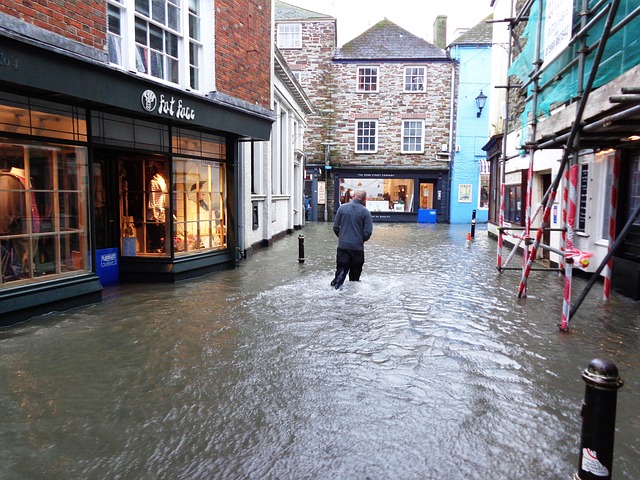
Astoria, Texas, faces frequent severe flooding, requiring proactive flood damage prevention. Key strategies include proper drainage systems, raising appliances, and waterproof barriers to minimize natural flood damage. Early detection signs, community education, and swift evacuation during flash floods are crucial. Post-flood, a systematic approach involves water extraction, drying, decontamination, and structural repair. Preventive measures like flood-proofing, regular maintenance, and building assessments reduce future damage. Community initiatives and grants support recovery, fostering resilience against coastal flooding.
In a world increasingly plagued by unpredictable weather patterns, the risk of flood damage naturally becomes a pressing concern for communities worldwide. This is especially true for coastal areas like Astoria, where vulnerability to sudden and severe flooding can be devastating. The immediate response to such emergencies is paramount, making swift emergency flood service an indispensable resource.
This article delves into the critical need for efficient flood damage mitigation in Astoria, highlighting challenges faced by residents and first responders. We explore how specialized emergency services can provide a lifeline during these crises, ensuring not just property preservation but also the safety and well-being of community members caught in the midst of overwhelming water.
- Understanding Emergency Flood Response in Astoria
- Identifying Signs of Imminent Flood Damage
- Immediate Actions After a Flash Flood
- Assessing Flood Damage: What to Look For
- Restoring Your Home Post-Flood: Step-by-Step
- Preventive Measures: Fortifying Against Future Floods
Understanding Emergency Flood Response in Astoria
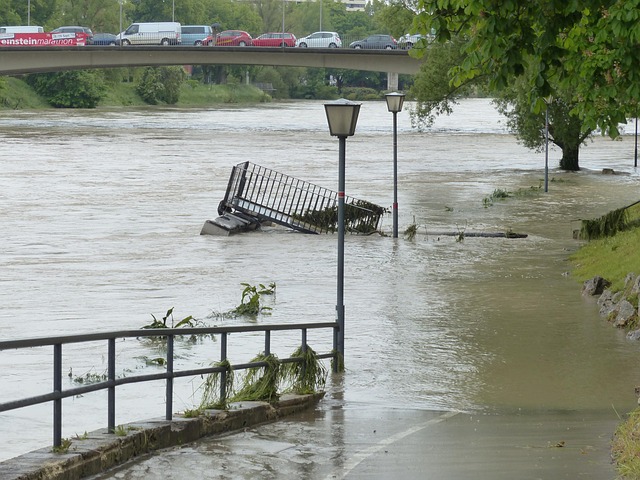
Astoria, a vibrant community in Texas, faces unique challenges when it comes to emergency flood response due to its location near numerous water bodies. Understanding how to manage flood damage naturally is crucial for both residents and professionals alike. According to recent data, severe flooding events have increased significantly in the region over the past decade, highlighting the need for robust strategies to mitigate San Antonio flood damage.
The initial step in effective emergency flood service is swift action. Residents should be trained to respond promptly, evacuating to higher ground if necessary. This immediate reaction can significantly minimize potential San Antonio water damage. Once the floodwaters recede, the real work begins—assessing and managing flood damage naturally. Property Restoration of the Capital Region, for instance, has been a leading force in providing Austin flood restoration expertise, helping countless homes and businesses recover from these events. The process involves several critical stages: water extraction, drying, decontamination, and repair.
Professionals like Austin flood restoration experts recommend investing in preventive measures to reduce flood damage naturally. This includes installing proper drainage systems, raising essential appliances and fixtures, and using waterproof barriers. By implementing these strategies, residents can minimize the impact of future floods. Furthermore, San Antonio flood damage prevention techniques such as regular maintenance of stormwater systems and educating communities on safe practices during heavy rainfall events are vital to fostering a more resilient community.
Identifying Signs of Imminent Flood Damage

Recognizing the signs of imminent flood damage is a critical step in protecting your property and ensuring swift emergency response. In Astoria, where natural disasters like flash floods can occur unexpectedly, being prepared is essential. Homeowners must learn to identify potential indicators that their properties might be at risk, enabling them to take immediate action and contact emergency services, such as Property Restoration of the Capital Region. This proactive approach could significantly minimize flood damage naturally.
Local flood awareness campaigns play a pivotal role in educating residents about these signs. For instance, residents should pay close attention to sudden changes in water levels, especially near rivers or streams. Rapidly rising waters or unprecedented rainfall can be early warnings. Additionally, observing unusual behaviors in nearby bodies of water, like rapid currents or increased turbulence, should trigger caution. These campaigns also emphasize the importance of staying informed about weather forecasts and alerts for Austin home flooding solutions during heavy rain events.
Houston’s history with flood damage cleanup highlights the significance of swift intervention. According to recent data, many properties suffered extensive damage due to slow response times. Therefore, residents must be vigilant and act promptly when recognizing any signs. By implementing these awareness strategies, Astoria communities can better navigate potential flood scenarios, ensuring faster recovery processes like those offered by expert services specializing in Houston flood damage cleanup. Early detection is key to minimizing the devastating effects of flood damage naturally.
Immediate Actions After a Flash Flood

After a flash flood, immediate actions are crucial to mitigate flood damage naturally and ensure the safety of your family and property. The first step is to evacuate if water levels pose a threat, and never attempt to drive or walk through floodwaters as they can be deceptively deep and move with incredible force. Once in a safe location, contact local emergency services and Property Restoration of the Capital Region for swift assistance.
Next, turn off electricity and gas supplies at the main valves to prevent fires and electrocution. Document damage with photos, keeping a detailed record of affected areas and items. This step is vital for insurance claims later on. If time permits, move important documents, electronics, and irreplaceable possessions to higher levels or safer locations. In communities like Dallas, where flash floods are common, flood-proofing your home can significantly reduce potential damage. This includes installing check valves in sewer lines and securing outdoor furniture to prevent it from becoming a hazard.
Post-flash flood, the local community often comes together for cleanup events, fostering resilience and camaraderie. In cities like Austin, flood recovery support groups play a vital role in helping residents cope with the aftermath. These groups provide emotional support, practical advice, and a sense of community during challenging times. While each flood event is unique, understanding these initial actions can help minimize flood damage naturally and ensure a smoother recovery process. Remember, swift action is key to preserving your property and safeguarding your well-being.
Assessing Flood Damage: What to Look For

When faced with flood damage in Astoria, understanding what to look for during the assessment process is crucial. This initial evaluation determines the extent of the crisis and guides effective San Antonio water damage mitigation strategies. The aftermath of a flood can be overwhelming, but knowing specific indicators of severe flood damage offers a strategic approach to recovery. Look for signs such as extensive wall and ceiling discoloration, as these are often early indicators of mold growth, which can pose significant health risks.
Structural integrity is another critical aspect; inspect for loose or damaged flooring, walls that appear bulging or cracked, and any signs of foundation movement. These issues may require professional engineering assessments in more severe cases. Moreover, electrical hazards are common after a flood—disconnected or damaged wiring, flooded outlets, and water-damaged appliances should be addressed by certified professionals to ensure Dallas flood safety inspections meet safety standards.
In the context of disaster preparedness training, local communities in San Antonio emphasize the importance of having an emergency plan that includes flood damage response strategies. Property Restoration of the Capital Region recommends homeowners document their belongings before a flood and keep important documents in waterproof containers as part of their disaster preparedness arsenal. Following a flood, prompt action is key; immediate San Antonio water damage mitigation can prevent long-term issues like mold growth, structural instability, and the potential loss or damage of irreplaceable items.
Restoring Your Home Post-Flood: Step-by-Step

Restoring your home after a flood can be a daunting task, but with a systematic approach and expert guidance, it is a process that can be successfully navigated. In regions like Astoria, Texas, where flash floods are common, homeowners must be prepared to deal with flood damage naturally and efficiently. The first step in this process is assessing the extent of the damage. This involves thoroughly inspecting your property for water intrusion, structural integrity issues, and potential contamination from sewage or other sources. Documenting the damage with photographs is crucial for insurance claims.
Once the initial assessment is complete, it’s time to begin the cleanup and restoration process. Start by removing any standing water and drying out the affected areas as quickly as possible. This prevents further damage and mold growth. Professional Houston disaster restoration specialists often use advanced equipment like dehumidifiers and air movers to expedite this process. As you begin restoring your home, focus on safety first. Discard any contaminated items, such as carpets or furniture that have been soaked in floodwater, to avoid the spread of bacteria and pathogens.
The next step involves repairing structural damage and implementing measures to prevent future flooding. This could include reinforcing walls, installing higher-grade flood doors, and raising essential appliances to safer levels. In areas prone to frequent floods, like Dallas, investing in flood-ready homes is a proactive approach that can save significant time and money in the long run. For example, homeowners can opt for waterproof finishes, elevated electrical systems, and smart flood sensors that alert residents when water levels rise.
In Texas, flood recovery grants are available to assist homeowners with the financial burden of repairing and rebuilding. Property Restoration of the Capital Region offers comprehensive services tailored to help Astoria residents navigate these processes smoothly. By following these steps and leveraging available resources, homeowners can restore their properties to pre-flood condition and gain peace of mind knowing their homes are better equipped to withstand future storms.
Preventive Measures: Fortifying Against Future Floods

Astoria, like many coastal regions, faces an ever-present threat from floods and storm surges. While immediate response and recovery are crucial, preventing flood damage naturally is a strategic imperative that requires proactive measures. According to recent studies, Dallas flood safety inspections have shown that early identification of vulnerabilities can significantly mitigate the impact of future events. Local communities are increasingly turning to innovative solutions like flood barrier installation to protect their properties in Austin, demonstrating a shift towards proactive storm surge repairs.
One effective preventive measure is conducting thorough assessments of buildings and infrastructure to identify potential weak points. This includes examining structural integrity, waterproofing systems, and drainage mechanisms. For instance, Property Restoration of the Capital Region has successfully implemented local flood barrier installations that have proven highly effective in shielding properties from heavy rainfall and sudden surges. By investing in such measures, homeowners can significantly reduce the risk of extensive flood damage naturally.
Additionally, community education plays a vital role in fostering preparedness. Encouraging residents to maintain their properties with appropriate grading and drainage systems can prevent water accumulation. Regularly trimming trees and clearing gutters not only enhances water flow but also reduces the likelihood of debris-clogged drains during heavy storms. These simple yet powerful actions, when adopted collectively, can significantly fortify against future floods, ensuring that Astoria’s residents and properties remain resilient in the face of adversity.
In navigating the unpredictable nature of emergency flood situations in Astoria, this article has equipped readers with a comprehensive understanding of the critical steps involved in managing flood damage naturally. From recognizing early warning signs to immediate post-flood actions, assessing damage, and restoration processes, each section provides invaluable insights. By following these practical guidelines, residents can proactively protect their properties, minimize disruption, and ensure a more swift recovery. Understanding the unique challenges posed by flash floods and implementing preventive measures is key to building resilience within our communities. This article serves as a reliable resource, empowering individuals to take control in the face of such natural disasters.