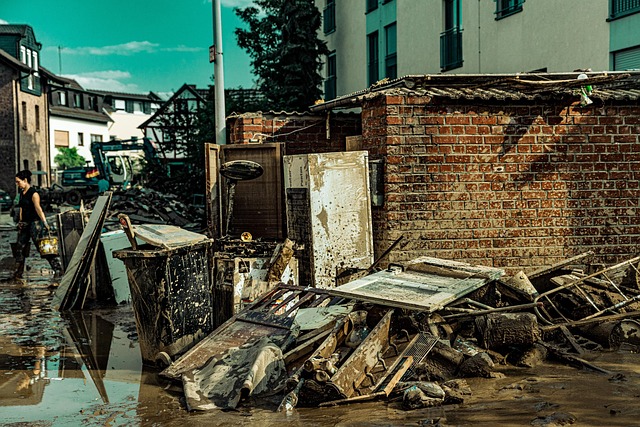







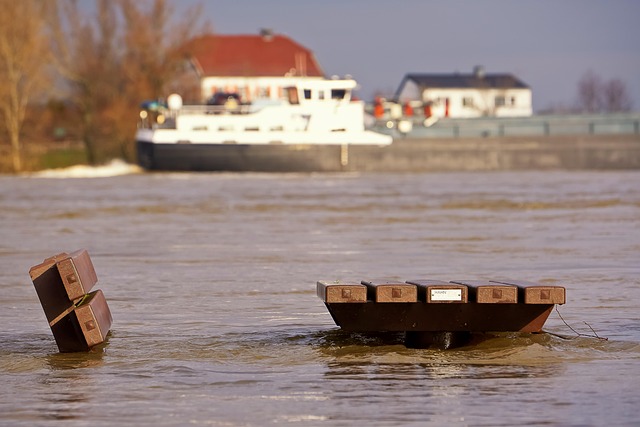
Chelsea, Texas faces unique flood damage challenges due to historical flooding events. Expert interventions from providers like Houston and Austin waterproof solution companies are vital for mitigating water intrusion impacts. Post-flood assessment includes thorough inspection and documentation. Initial restoration involves removing standing water and drying areas. Severe cases require professional restoration experts with specialized equipment.
Eco-friendly approaches prioritize natural strategies like native plants, bio-remediation, and permeable surfaces for sustainable water extraction. Local organizations like Property Restoration of the Capital Region implement these techniques. Proactive measures include educating residents on flood safety practices, enhancing storm sewers, installing permeable surfaces, and green infrastructure to reduce future flooding potential.
Prompt action, regular maintenance of flood safety gear, understanding natural recovery methods, and local barrier installations empower Chelsea residents to better navigate future flood events, ensuring property longevity.
Water extraction and restoration in Chelsea, a vibrant yet historically vulnerable community, are vital topics demanding expert attention. The area’s picturesque landscapes, while beautiful, make it prone to flood damage naturally, posing significant challenges for residents and businesses alike. This article delves into the intricacies of these issues, exploring cutting-edge methods for effective water extraction, and highlighting innovative restoration techniques that not only repair but also strengthen against future events. By providing actionable insights, we aim to empower both professionals and homeowners in mitigating flood risks and preserving Chelsea’s tapestry.
- Understanding Water Extraction in Chelsea
- Assessing Flood Damage Naturally
- Restoring Homes: Step-by-Step Guide
- Eco-Friendly Solutions for Water Mitigation
- Preventing Future Flood Events
Understanding Water Extraction in Chelsea
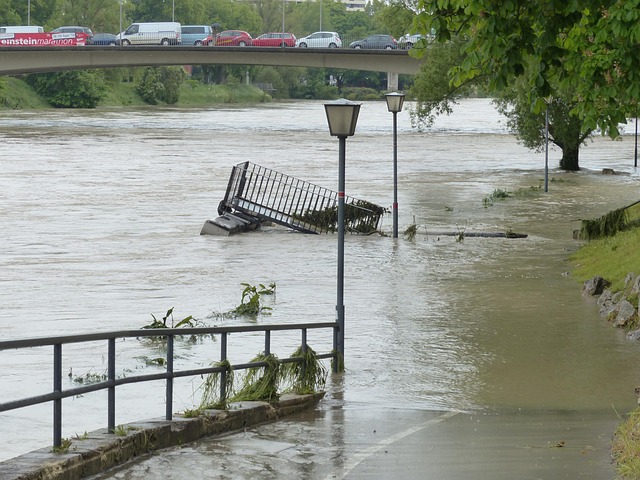
Chelsea, like many cities across Texas, faces a unique set of challenges when it comes to water extraction and managing flood damage naturally. With historical instances of both minor and severe flooding events, understanding effective water extraction strategies is paramount for residents and property owners alike. This is where expert interventions, such as those offered by Houston waterproof basement solutions and Austin home flooding solutions providers, play a crucial role in mitigating the impact of water intrusion.
The process of water extraction involves several steps designed to remove standing water from affected areas, including basements, attics, and crawl spaces. These methods range from basic pumping equipment to advanced de-humidification systems. For instance, during recent flooding events in the region, Property Restoration of the Capital Region has successfully employed various techniques, including high-efficiency dehumidifiers and desiccant materials, to dry out structures quickly and efficiently. This not only prevents further damage but also reduces the risk of mold growth, a common aftereffect of flood damage.
However, it’s important to note that flood damage isn’t just about removing water; it’s about understanding where the water came from, its potential contaminants, and how best to address each unique situation. For instance, surface water may pose fewer health risks than sewage or contaminated runoff. San Antonio disaster preparedness training programs often emphasize this point, teaching residents how to assess their homes for different types of flood damage and respond accordingly. By combining practical knowledge with professional expertise, property owners can ensure that their homes are restored safely and effectively, even after the most severe flood events.
Assessing Flood Damage Naturally
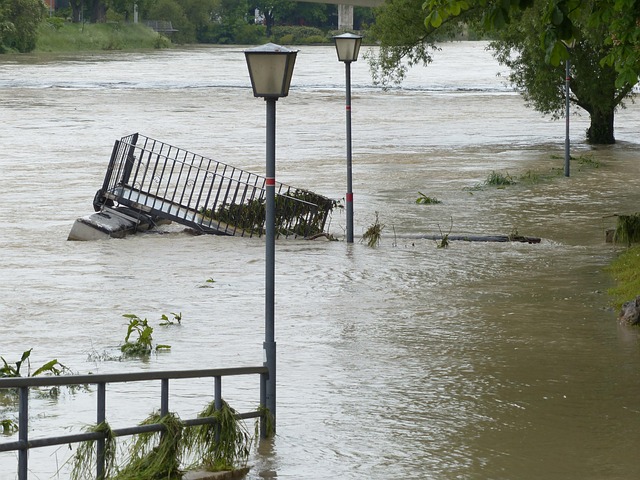
In the wake of flooding events, Chelsea residents often wonder how to assess flood damage naturally and restore their properties effectively. A holistic approach involves understanding the unique challenges posed by local flood patterns and leveraging natural methods for recovery. Texas, with its frequent storms and rapid river rises, necessitates proactive measures in preparation and post-disaster cleanup. Dallas, known for its resilient flood-ready homes, serves as a model for effective adaptation strategies.
One practical step is engaging in local flood awareness campaigns that educate homeowners on natural techniques for minimizing damage. These include proper landscaping to divert water away from structures, using permeable materials for driveways and walkways, and installing rain gardens to absorb excess water naturally. Additionally, investing in Texas flood safety equipment like water pumps, sandbags, and waterproof tarps can significantly aid in quick response and mitigation efforts. Residents should also consider the long-term benefits of building or retrofitting homes with flood-resistant features designed specifically for Dallas’s challenging climate.
Once flooding occurs, assessing damage naturally starts with a thorough inspection. Look for signs of mold growth, structural instability, or water intrusion that may indicate deeper issues. Property Restoration of the Capital Region recommends documenting all damages through photography to aid in insurance claims and restoration planning. After initial assessment, natural restoration techniques can include removing standing water, drying out affected areas, and using environmentally friendly cleaning solutions to prevent further damage from moisture and contaminants.
For more severe cases, seeking expert advice from restoration professionals is crucial. They bring specialized equipment and knowledge to safely remove damaged materials and restore homes to their pre-flood condition. Regular maintenance and updates on flood safety equipment, coupled with an understanding of natural recovery methods, empower Chelsea residents to better navigate future flooding events, ensuring the resilience and longevity of their properties in the face of changing weather patterns.
Restoring Homes: Step-by-Step Guide
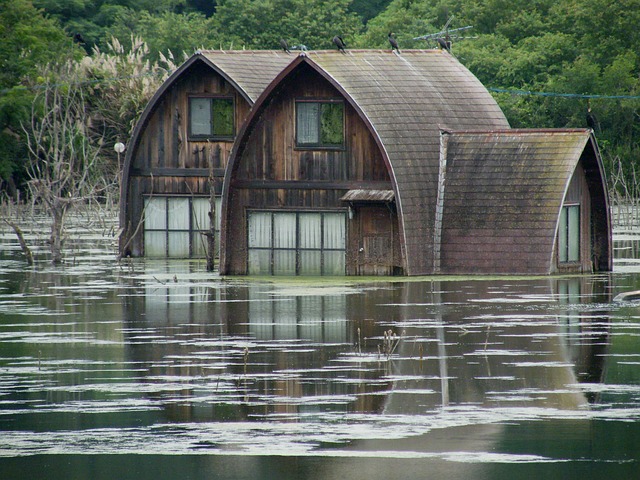
Restoring homes after flood damage is a meticulous process that requires careful planning and execution. In Chelsea, where recent floods have left their mark, property owners must be prepared to navigate this challenging journey towards recovery. This step-by-step guide aims to empower residents with knowledge, ensuring they can effectively restore their properties and mitigate future risks.
The initial step is assessing the extent of flood damage naturally. Inspecting your home for water intrusion, mold growth, and structural integrity issues is crucial. Documenting these findings will assist in creating a comprehensive restoration plan. Once prepared, it’s time to tackle the cleanup. Removing wet materials, such as drywall and carpeting affected by Houston water damage, is essential to prevent long-term damage from mold and mildew. Professional flood recovery resources offer specialized equipment for efficient water extraction, ensuring your home is dried thoroughly.
After cleanup, local flood barrier installation should be considered a priority. This involves assessing the property’s vulnerability to future flooding events and implementing barriers like doors, windows, or walls to protect against rising waters. The role of local experts here cannot be overstated; Houston water damage restoration companies specialize in these installations, offering tailored solutions for each home.
The final steps focus on rebuilding and reinforcing. This includes structural repairs, reinstalling new materials, and potentially enhancing flood protection features throughout the home. Property Restoration of the Capital Region, for instance, has successfully assisted many Chelsea residents in these endeavors, providing expert guidance and high-quality restoration services. Remember, prompt action is key to minimizing damage and ensuring a safer, more secure living environment after any natural disaster.
Eco-Friendly Solutions for Water Mitigation
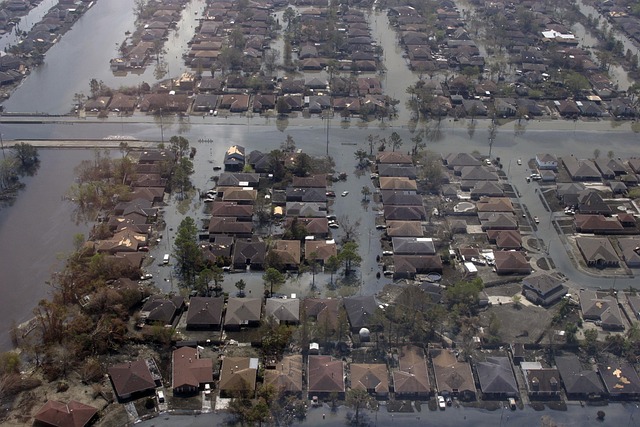
In the face of unpredictable weather patterns and escalating climate change, communities in Texas, particularly Chelsea and San Antonio, increasingly rely on eco-friendly solutions for water mitigation, especially in the wake of catastrophic flood damage events. Traditional methods of disaster recovery often involve toxic chemicals and energy-intensive processes, but a growing body of research and local initiatives highlight the effectiveness and sustainability of natural approaches to flood relief and restoration.
One promising strategy involves harnessing nature’s own mechanisms for water absorption and filtration. For instance, using native plants and vegetation in landscape design can significantly reduce surface runoff and soak up excess water during heavy rainfall, mitigating the impact of flash floods. The San Antonio River Walk is a notable example where careful planning and indigenous flora have contributed to flood prevention while enhancing the city’s aesthetic appeal and biodiversity. This approach not only minimizes environmental disruption but also fosters resilient urban ecosystems capable of withstanding future extreme weather events.
Moreover, eco-friendly water extraction techniques are gaining traction as viable alternatives to conventional methods. These include bio-remediation, where natural organisms break down pollutants, and permeable surfaces that allow water infiltration into underground reservoirs. Local organizations in Chelsea and San Antonio have been proactive in implementing these strategies through community-based flood relief projects. For instance, Property Restoration of the Capital Region has spearheaded initiatives focusing on sustainable flood damage prevention, leveraging local knowledge and resources to empower residents in preparing for and recovering from flooding.
Texas emergency flooding assistance programs often emphasize the importance of proactive measures, such as elevated foundations, waterproof barriers, and early warning systems. Combined with natural water mitigation strategies, these efforts create a multi-layered defense against flood damage, ensuring that communities are not only resilient but also restored to their pre-disaster conditions in an environmentally responsible manner.
Preventing Future Flood Events
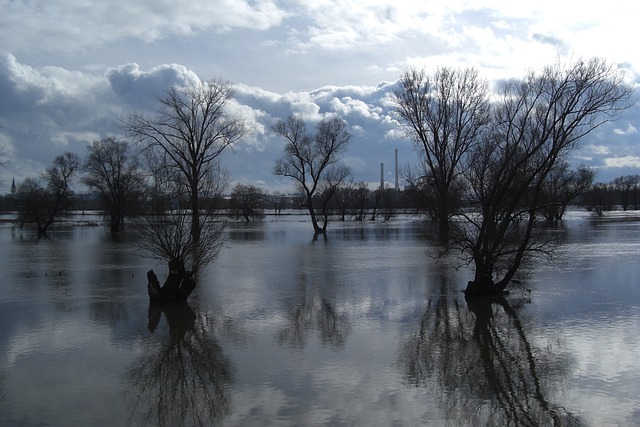
Preventing future flood events is a multifaceted challenge for Chelsea and its surrounding communities. While immediate response from Dallas post-flood cleaning specialists and Houston mold removal after flood services is crucial to mitigate damage, long-term strategies are essential to safeguard against recurring disaster. The first line of defense lies in understanding the unique environmental factors that contribute to local flooding. Geologic studies have shown that Chelsea’s landscape, characterized by low-lying areas and dense urban development, exacerbates water runoff and increases the risk of flash floods.
Implementing effective drainage systems and improving infrastructure are key components in flood prevention. This includes enhancing existing storm sewers, installing permeable surfaces to reduce surface runoff, and carefully planning new developments with flood-resilient design principles. Community resilience initiatives, such as the implementation of green infrastructure like bioswales and retention ponds, can play a vital role in absorbing excess water and slowing its flow during heavy rainfall.
Property Restoration of the Capital Region, drawing from experience with past flood events, emphasizes proactive measures to build community resilience. This involves educating residents on flood safety practices, such as creating emergency kits and developing family communication plans. Additionally, ensuring that local businesses and property owners are equipped with the knowledge and resources for effective water extraction and restoration techniques is vital. By fostering a culture of preparedness, Chelsea can significantly reduce potential flood damage and enhance its overall resilience in the face of changing weather patterns.
By delving into the multifaceted aspects of water extraction and restoration in Chelsea, this article has equipped readers with a comprehensive understanding of navigating flood damage naturally. Key insights include the importance of assessing damage ecologically, employing eco-friendly water mitigation solutions, and implementing preventive measures to thwart future flood events. Through a step-by-step guide to home restoration, homeowners now possess practical tools to restore their properties effectively. By prioritizing natural assessment and eco-conscious practices, Chelsea residents can ensure not only the safety of their homes but also the preservation of their community’s unique landscape and ecosystem. This authoritative piece underscores the transformative power of knowledge in combating flood damage naturally.