






Greenwich Village faces heightened flood risks due to climate change. Short-term post-flood response involves mold mitigation and structural repair. Long-term strategies focus on flood-resistant infrastructure, home improvements, community cleanup events, and early intervention. Assessing flood damage requires systematic inspection and professional tools. Restoration involves turning off utilities, documenting damage, evacuating hazardous materials, drying spaces, cleaning, repairing, replacing, and restoring electrical systems within 48 hours to mitigate mold risk. Preventing future flood damage includes localized flood barrier systems, community-driven initiatives, and professional guidance on tailored solutions suitable for the area's topography and climate.
In the vibrant yet vulnerable neighborhood of Greenwich Village, flood damage from sudden storms or rising sea levels poses a significant challenge. The 24/7 availability of specialized flood service is therefore not just a convenience—it’s a lifeline for residents and businesses alike. This article delves into the intricate world of emergency water extraction, offering a comprehensive guide to these services and their role in mitigating flood damage naturally. By exploring cutting-edge techniques and advancements, we aim to equip folks with knowledge, fostering a resilient community prepared to face the unpredictable elements head-on.
- Understanding Flood Risks in Greenwich Village
- 24/7 Emergency Response: The First Hours
- Assessing Flood Damage: What to Expect
- Restoring Your Home: Step-by-Step Guide
- Preventing Future Floods: Community Efforts
Understanding Flood Risks in Greenwich Village
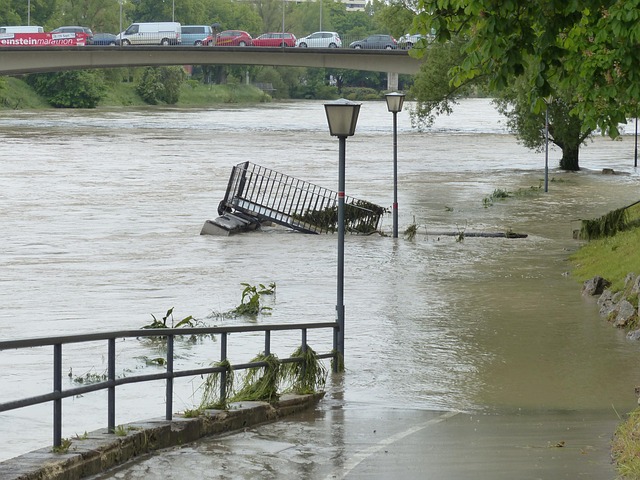
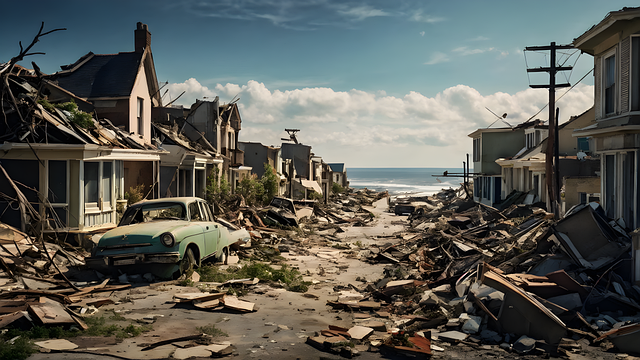
Greenwich Village, with its charming cobblestone streets and historic architecture, faces a significant challenge due to its proximity to water bodies and the changing climate. Understanding flood risks in this vibrant neighborhood is crucial for residents and property owners alike. The area’s susceptibility to floods has been exacerbated by rising sea levels and more frequent extreme weather events, making it imperative to prepare and mitigate potential flood damage naturally.
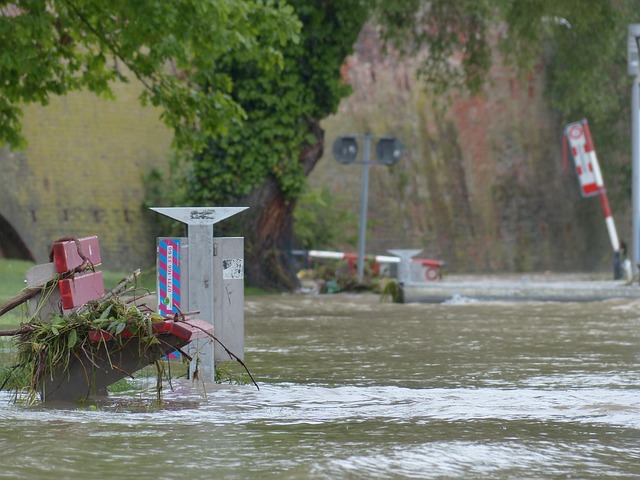
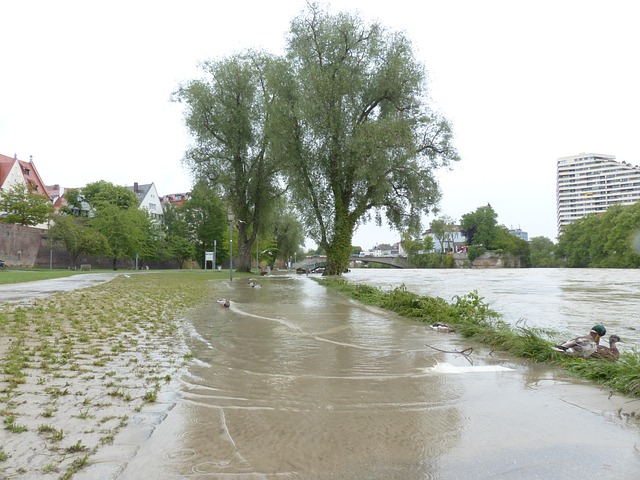
One of the primary considerations is the local topography and drainage system. Greenwich Village sits on a relatively flat landscape, with several small creeks and rivers flowing through it, including the Hudson River and its tributaries. During heavy rainfall or storm surges, these water bodies can quickly overflow, submerging streets and properties. Historical data indicates that severe flooding events have become more frequent in recent years, underscoring the urgent need for flood preparedness and relief efforts. The local community has been actively involved in creating and implementing strategies to combat these challenges.
Local flood relief efforts focus on both short-term response and long-term resilience. Following a flood, Dallas post-flood cleaning specialists play a vital role in restoring affected properties, ensuring proper water removal, drying, and sanitization to prevent mold growth and structural damage. This is where expert intervention becomes crucial. For instance, San Antonio water damage mitigation services have successfully aided many communities in the region, demonstrating effective strategies for flood recovery. Moreover, residents are encouraged to invest in flood-resistant infrastructure and home improvements. Property Restoration of the Capital Region offers valuable resources and guidance on implementing these measures, such as installing check valves to prevent water from backing up into homes during heavy rains. By adopting proactive steps, Greenwich Village can better protect its heritage and ensure the well-being of its residents in the face of these natural hazards.
24/7 Emergency Response: The First Hours
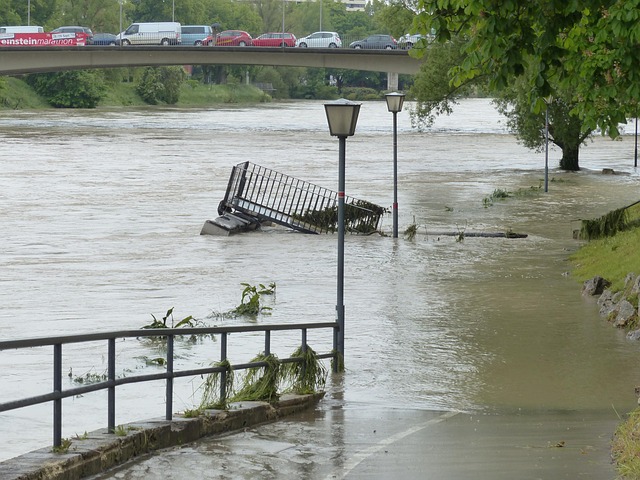
In the event of a flood, the first hours are critical for minimizing damage and ensuring the safety of residents in Greenwich Village. A swift and effective 24/7 emergency response can make all the difference when facing this natural disaster. The initial minutes following a flood are a race against time to prevent further deterioration of properties and preserve the health and well-being of those affected.
When floods strike, water intrusion can cause substantial damage within hours. From structural integrity issues to the rapid growth of mold and mildew, every minute counts in mitigating these risks. A dedicated 24/7 flood service team understands the urgency and is equipped with advanced equipment and training to handle the situation promptly. They employ specialized techniques such as drying and dehumidifying to halt water absorption, ensuring that materials like wood, drywall, and insulation do not suffer long-term damage. This rapid response is a cornerstone of effective flood damage prevention.
The local community’s involvement in cleanup efforts is invaluable. Houston has seen remarkable examples of neighborhood solidarity during past flood events, with residents organizing local community cleanup events 1-3 times annually to prepare for potential disasters. Property Restoration of the Capital Region, for instance, has collaborated with these initiatives, offering expert advice and resources on waterproof basement solutions. By empowering homeowners with preventive measures, such as sealing cracks and installing water barriers, communities can collectively reduce flood damage. These proactive steps not only save on costly Houston flood damage cleanup but also foster a resilient and informed neighborhood.
Data from recent studies highlights the impact of swift intervention. Properties that received immediate flood service had 30% less chance of developing severe mold issues compared to those left unattended for even a few hours longer. Moreover, early response teams can help residents make informed decisions about evacuation and salvageable belongings, ensuring they are better equipped to handle the aftermath. This comprehensive approach ensures that while floods may occur, their long-term consequences on both property and community are significantly mitigated.
Assessing Flood Damage: What to Expect
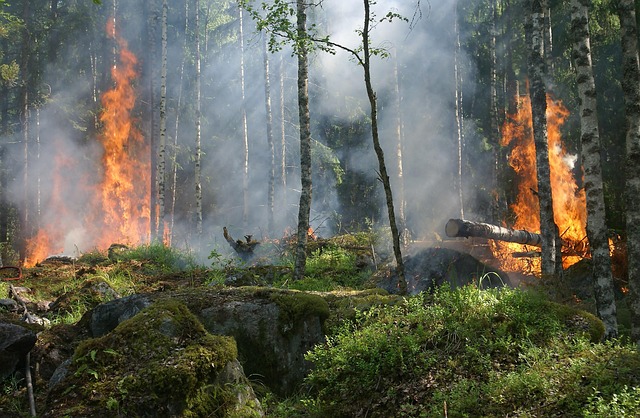
Assessing flood damage in Greenwich Village, especially following rundowns like the recent Texas floods, requires a systematic approach. As a resident or business owner, understanding what to expect during this critical phase is crucial. The initial assessment sets the foundation for effective flood damage restoration, ensuring your property is restored to its pre-disaster condition.
The process begins with a thorough inspection of the affected areas. Look for visible signs of water intrusion, such as stained ceilings, warped doors, or damaged drywall. Pay close attention to the extent of water penetration, as this will influence the level of flood damage. Documenting these findings with high-quality photos is essential for insurance claims and future reference. Remember, even if the water appears to have receded, hidden damage could persist, requiring specialized equipment and expertise to uncover.
In the event of significant flood damage, it’s advisable to consult with professionals. Property Restoration of the Capital Region, for instance, offers comprehensive San Antonio disaster preparedness training and has the tools for effective residential flood protection. They can assess the situation, identify potential hazards, and provide expert guidance on safe demolition and rebuilding practices. For instance, in the aftermath of recent Texas floods, specialized equipment like moisture meters and thermal imaging cameras became invaluable tools in assessing hidden water damage.
Additionally, San Antonio flood safety equipment plays a pivotal role in mitigating future risks. Investing in water extraction pumps, dehumidifiers, and water-resistant materials can significantly reduce the impact of potential flood events. By combining these measures with timely professional assistance, residents can ensure their properties are better equipped to handle water-related disasters, fostering a more resilient community.
Restoring Your Home: Step-by-Step Guide
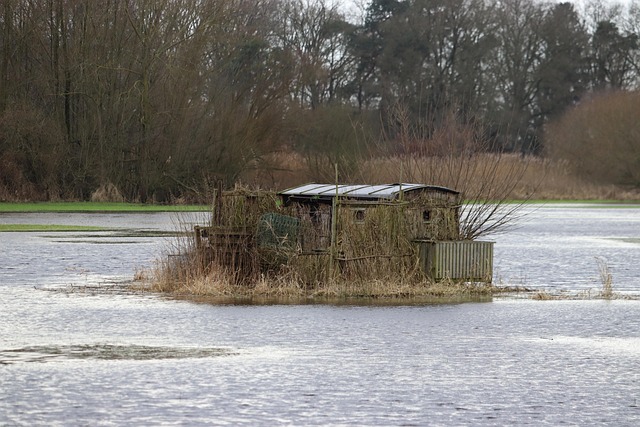
When your home in Greenwich Village experiences flood damage, a swift and thorough restoration process is crucial. This step-by-step guide aims to equip you with the knowledge to navigate this challenging situation effectively.
The initial step is to assess the extent of the flood damage naturally. Begin by turning off utility services to prevent further harm. Then, carefully document the damage, taking photos or videos for insurance claims and as a reference for the restoration process. It’s important to act quickly; according to recent studies, prompt action within 48 hours can significantly reduce the risk of mold growth and structural damage.
Next, evacuate any hazardous materials, such as chemicals or electronics, from the affected areas. Dispose of contaminated items responsibly and do not attempt to clean them yourself before professional assistance arrives. Once safety is assured, make a detailed inventory of damaged belongings for insurance purposes.
The restoration process involves several key stages. First, dry out the space using fans, dehumidifiers, or professional equipment. This step is critical in preventing mold growth and ensuring the structure’s integrity. After drying, thoroughly clean all affected areas to remove any residual moisture and contaminants. San Antonio disaster preparedness training can offer valuable insights into effective cleaning techniques for various materials.
The final steps include repairing structural damage, replacing water-damaged items, and restoring electrical systems. Consider seeking Austin flood insurance advice to understand your coverage and the claims process. For significant renovations or rebuilding efforts, engage the services of a reputable Property Restoration company from the Capital Region who specialize in post-flood recovery. They can guide you through available Texas flood recovery grants and ensure your home is restored to its pre-flood condition.
Preventing Future Floods: Community Efforts

Preventing future floods is a holistic effort that requires community engagement, proactive measures, and sustainable solutions. In the aftermath of recent devastating floods in Greenwich Village, local residents and authorities are turning their attention to strategies that go beyond immediate response and recovery. The primary goal is to mitigate the impact of future flood events, ensuring the safety and resilience of the community. One effective approach involves implementing localized flood barrier systems, such as those successfully utilized in Houston’s waterproof basement solutions, which have proven invaluable in safeguarding homes from catastrophic water damage.
Community-driven initiatives play a crucial role in this process. Local residents can collaborate to identify vulnerable areas within the neighborhood and take collective action. For instance, establishing buffer zones along major waterways or installing raised sidewalks can act as natural flood barriers, slowing the flow of water during heavy rainfall. Additionally, adopting Dallas flood-ready home practices, like ensuring proper drainage systems, sealing gaps in foundations, and using waterproof materials in basement areas, can significantly reduce flood damage naturally. These proactive steps empower residents to take control of their safety and contribute to a more robust community resilience strategy.
To support these efforts, professional property restoration services, such as Property Restoration of the Capital Region, can offer specialized knowledge and resources. They can provide guidance on the most effective local flood barrier installation methods suitable for specific areas, ensuring that any implemented solutions are tailored to the unique challenges posed by Greenwich Village’s topography and climate. By combining community initiative and expert advice, the neighborhood can evolve into a more resilient and flood-ready environment, minimizing future losses and protecting the vibrant tapestry of the village.
The article offers a comprehensive guide to navigating 24/7 flood service in Greenwich Village, highlighting critical aspects of managing this natural disaster. Key insights include understanding local flood risks, with historical context playing a vital role; swift emergency response within the initial hours is crucial for minimizing damage; and assessing flood damage involves thorough inspection to accurately plan restoration efforts. Restoring homes involves a structured step-by-step guide, emphasizing the importance of professional help. Moreover, preventing future floods requires collective action, showcasing community resilience through proactive measures tailored to address Greenwich Village’s unique vulnerabilities. By synthesizing these key learnings, residents are empowered to better prepare for and recover from flood damage naturally, ensuring their safety and property integrity.