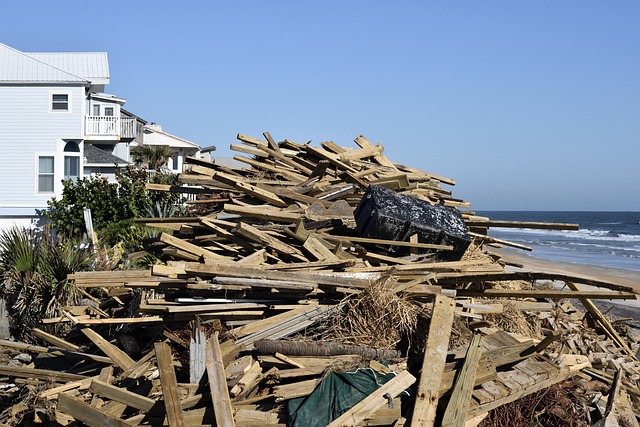






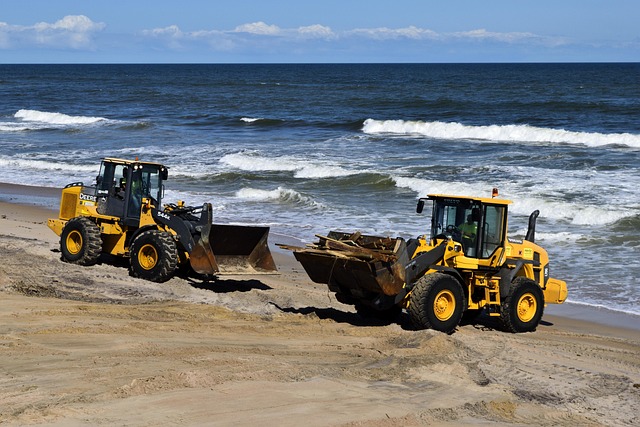
Flood damage assessment is crucial for Houston recovery, guiding restoration and insurance claims. Swift action mitigates mold and structural issues. Professional services like mold removal ensure safe restoration. Safety, structural integrity, and mental health support are key. Documenting flood damage through photography and item inventories aids insurance and recovery processes. Natural solutions like flood barriers and native vegetation minimize environmental impact. Systematizing restoration involves shutting off utilities, assessing structures, and repairing damages to prevent future flooding. Community involvement, volunteer work, and maintenance checks reduce vulnerability. Homeowners can enhance resilience with elevation and regular maintenance. Professional disaster restoration expedites recovery naturally.
Flood damage restoration is a critical service, often needed swiftly and reliably. When your community faces flood damage, the impact can be devastating—displaced families, compromised structures, and disrupted lives. Understanding the process of flood damage repair near you is essential for a swift return to normalcy. This article provides an in-depth guide to navigating flood damage naturally, offering expert insights on identifying risks, implementing effective restoration techniques, and ensuring a safe, secure environment post-disaster. By delving into these strategies, residents can actively contribute to their community’s resilience and recovery efforts.
- Assessing Flood Damage: The Initial Step
- Safety First: Protecting Yourself and Your Home
- Documenting the Loss: Photography and Inventory
- Flood Damage Restoration: Natural Solutions
- Restoring Your Space: From Cleanup to Reconstruction
- Preventing Future Floods: Proactive Measures
Assessing Flood Damage: The Initial Step
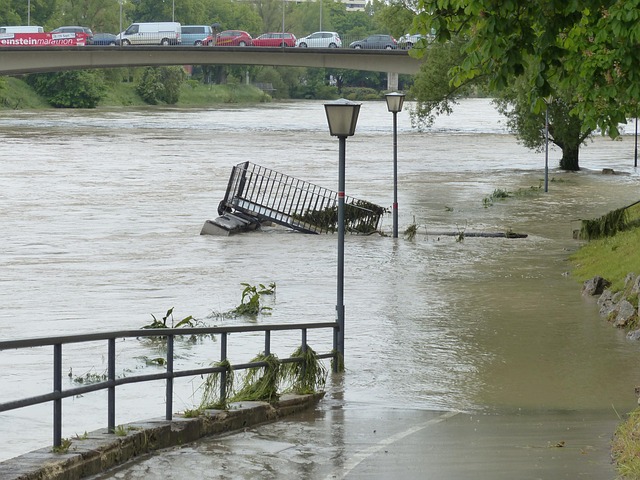
Assessing flood damage is a critical first step in any recovery process, especially after devastating events like recent floods that have affected many communities, including Houston. The initial assessment determines the extent of the loss and guides subsequent restoration efforts. Property owners often face daunting tasks, from identifying water-damaged areas to understanding potential health risks, such as mold growth.
Houston, with its frequent flooding, necessitates swift action and expert intervention. Local community resilience initiatives play a vital role in assisting residents during these crises. It’s crucial to document every affected area meticulously—from ceilings and walls to structural elements—as this information is invaluable for insurance claims and future restoration reference. Professional Houston water damage restoration companies emphasize the importance of early assessment, stating that “acting promptly can significantly mitigate secondary damages like mold growth and structural instability.”
In the aftermath, residents should be aware of potential hazards. For instance, according to a recent study, about 40% of homes in flooded areas develop mold within six months without proper decontamination. This is where local experts, like Property Restoration of the Capital Region, step in. They offer specialized Houston mold removal after flood services, ensuring that properties are thoroughly decontaminated and restored safely and effectively. By following these steps and enlisting professional help, communities can begin the healing process, fostering local resilience against future floods.
Safety First: Protecting Yourself and Your Home

When faced with flood damage, prioritizing safety is paramount. Before beginning any restoration process, it’s crucial to ensure your environment is secure and free from hazards. This involves both protecting yourself and safeguarding your property from potential risks associated with post-flood conditions. In areas like Dallas, where flooding is a recurring concern, implementing proactive measures can make all the difference in a successful recovery.
One of the primary steps in flood damage restoration near me is to assess the extent of the water intrusion and its impact on structural integrity. Water from floods can carry harmful contaminants, including bacteria, chemicals, and even sewage. Professional restorers like Property Restoration of the Capital Region use advanced techniques to remove this standing water and dry out affected areas swiftly, minimizing mold growth and other health risks. It’s essential to let experts handle these initial cleanup efforts, especially in heavily flooded areas, as DIY methods may not be sufficient.
Beyond physical safety, addressing mental health is an often-overlooked aspect of flood recovery. The aftermath of a flood can trigger feelings of stress, anxiety, and even trauma. Texas offers various post-flood mental health resources to support residents through this challenging time. Local community centers and disaster relief organizations often provide counseling services, helping individuals cope with the emotional toll of flooding. Engaging in these initiatives is vital for fostering resilience and ensuring a holistic recovery process. Additionally, staying informed through local flood awareness campaigns can empower homeowners to make smarter decisions, such as flood-proofing their homes, a proactive measure that significantly reduces potential damage.
Documenting the Loss: Photography and Inventory
When facing flood damage, documenting the loss through photography and inventorying affected items is a critical step in the restoration process. This initial phase sets the foundation for effective Houston flood damage cleanup and plays a pivotal role in facilitating insurance claims, especially when navigating complex Texas flood safety regulations. It’s not just about capturing damage; it’s about gathering evidence to support the recovery effort.
High-quality photos documenting water intrusion levels, impacted walls, ceilings, and floors, as well as personal belongings, are essential. These visuals can help insurance adjusters assess the extent of the disaster and determine appropriate compensation. In the aftermath of recent severe floods in Texas, including those in Austin, volunteers from Property Restoration of the Capital Region have emphasized the importance of this documentation for affected residents. It’s a crucial first step to ensure that everyone involved has an accurate understanding of the damage, paving the way for effective recovery strategies.
Creating a detailed inventory of damaged or lost items is equally vital. This process involves cataloging everything from furniture and electronics to clothing and sentimental valuables. A well-organized inventory not only aids in insurance claims but also simplifies the replacement or reimbursement process. For instance, data from FEMA suggests that families who have an accurate inventory of their belongings can speed up their recovery by up to 50%, ensuring they get back on their feet more quickly after flood damage.
Remember, meticulous documentation is a cornerstone of successful flood recovery. It facilitates smoother interactions with insurance providers and ensures that you receive the necessary support for your Austin flood recovery volunteer opportunities or local Houston flood damage cleanup efforts.
Flood Damage Restoration: Natural Solutions

Flood damage restoration requires a thoughtful approach that leverages natural solutions for effective recovery. When faced with flood damage, many homeowners turn to local professionals who specialize in eco-friendly techniques. For instance, Property Restoration of the Capital Region offers a holistic approach by combining traditional restoration methods with natural resources. This strategy not only minimizes environmental impact but also promotes long-term resilience against future flooding events.
One prominent natural solution involves the strategic use of local flood barrier installations. These barriers, designed to mitigate water flow, play a crucial role in protecting homes and infrastructure during heavy rainfall or sudden rises in water levels. Houston, for example, has seen significant success with waterproof basement solutions that prevent seepage and keep basements dry, even in areas prone to flash floods. By integrating such innovations into existing flood awareness campaigns, communities can significantly reduce damage and enhance overall safety.
Additionally, focusing on flood damage naturally includes implementing strategies like increasing land elevation, improving drainage systems, and selecting plants that absorb excess water. These methods not only help in immediate restoration efforts but also contribute to sustained environmental health. For instance, native vegetation acts as natural buffers against flooding, absorbing rainwater and slowing down its flow into rivers or streams. This approach aligns with the goals of local flood awareness campaigns, fostering a harmonious relationship between human habitats and their surrounding ecosystems.
Restoring Your Space: From Cleanup to Reconstruction

When your home or property has suffered flood damage—whether from a sudden storm surge, heavy rainfall, or breaking levees—the journey to restoration can seem daunting. But with a systematic approach and expert guidance, it’s possible to transform a devastated space into a secure, habitable environment once again. This process involves multiple stages: immediate cleanup, structural assessment, and meticulous reconstruction.
The initial step is crucial: stopping further damage and ensuring safety. Turn off utilities at the main valve or breaker box, if possible, to prevent any risks of electrical shocks or gas leaks. Begin by removing standing water using pumps and sorbents. This not only minimizes water damage but also sets the stage for a healthier, faster recovery. For instance, in Austin, home flooding solutions often involve leveraging local resources like volunteer organizations that specialize in flood recovery efforts, such as Property Restoration of the Capital Region. These professionals can provide invaluable assistance with cleanup and extraction, especially after major events like recent floods that have plagued Houston.
Once the immediate crisis is under control, a thorough assessment of structural integrity becomes imperative. Look for signs of warping or instability in walls, floors, and foundations. This step is critical as it determines what parts of your home require reconstruction and can help guide decisions about rebuilding or replacing affected areas. After this evaluation, reconstruction can commence—a meticulous process involving everything from repairing drywall to reinforcing structural elements. It’s essential to work with experienced contractors who understand the unique challenges of flood damage naturally, ensuring that your property is not only restored but also fortified against future water events.
Preventing Future Floods: Proactive Measures

Preventing future floods is a proactive measure that involves both individual actions and collective community efforts. In regions like Austin, Texas, where flood damage is a recurrent issue, understanding how to minimize the impact is crucial. One effective strategy is to enhance natural flood barriers by planting native vegetation along rivers and streams. This simple yet powerful method can slow down water flow, reduce erosion, and absorb excess rainfall, naturally mitigating potential flooding. For instance, Austin’s flood recovery efforts have incorporated green infrastructure projects, such as bioswales and rain gardens, which have shown significant success in recent years.
Community involvement plays a pivotal role in disaster preparedness. Volunteer opportunities with local organizations like Property Restoration of the Capital Region empower citizens to contribute to their community’s resilience. These initiatives range from distributing emergency supplies to assisting in post-flood cleanup efforts. By fostering a culture of mutual aid, Austin and Houston, for example, have developed robust networks that expedite recovery following major storms. Homeowners can also take proactive steps by ensuring their properties are flood-ready through simple measures like installing check valves in drains to prevent backflow and keeping essential items on higher ground.
Beyond local efforts, specialized disaster restoration companies like those in Houston are instrumental in swift and effective recovery. These professionals offer advanced equipment and expertise for water extraction, mold remediation, and structural drying, ensuring homes and businesses can be restored to their pre-flood condition as naturally as possible. Regular maintenance checks, including reviewing building plans and inspecting drainage systems, can help identify vulnerabilities and implement appropriate solutions before a flood event occurs. By combining individual vigilance, community collaboration, and professional intervention, areas prone to flooding can significantly reduce the impact and speed up recovery processes.
By following a structured approach from Assessing Flood Damage to Preventing Future Floods, you can effectively navigate the aftermath of flood damage naturally. Prioritize safety, document losses thoroughly, and embrace natural restoration methods for a healthier, more sustainable recovery. Key takeaways include assessing damage meticulously, protecting yourself and your property, inventorying belongings, utilizing natural cleanup techniques, and implementing proactive measures to safeguard against future floods. This comprehensive guide empowers you to restore your space not just adequately, but also harmoniously with nature’s principles.