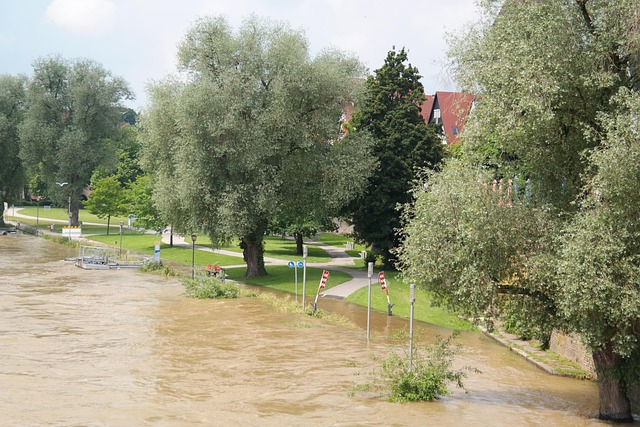







The East Village faces recurring flooding risks due to its location. Local authorities have implemented advanced warning systems and evacuation protocols, demonstrated in 2021. Post-flood cleanup requires specialized services for water extraction and recovery. Homeowners play a vital role in securing properties through preparedness kits and community collaboration. The immediate aftermath focuses on turning off utilities, documenting damage, and accessing essential supplies. Rebuilding should incorporate flood-resistant infrastructure to mitigate future flood damage naturally.
Flooding in the East Village poses a significant challenge to local communities, infrastructure, and property, exacerbating existing social and economic disparities. The vulnerability of low-lying areas to rising sea levels and intense rainfall events underscores the need for effective emergency response strategies. This article delves into the current state of local emergency preparedness and mitigation efforts specifically tailored to address flood damage naturally within the East Village context. By examining best practices, technological advancements, and community engagement strategies, we aim to offer valuable insights for enhancing resilience and mitigating future impacts.
- Understanding Flood Risks in East Village
- Preparations & Prevention Strategies for Homeowners
- Post-Flood: Response, Recovery, and Rebuilding Guide
Understanding Flood Risks in East Village
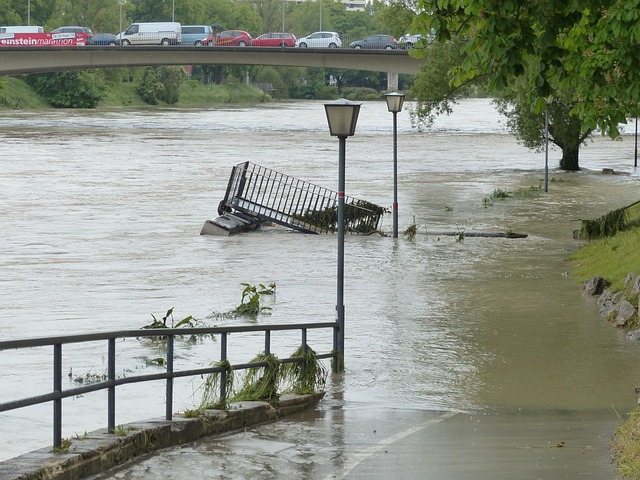
The East Village, with its historic charm and vibrant community, faces a unique challenge posed by its geographical location—a heightened vulnerability to flooding events. Understanding the intricate dynamics of flood risks in this area is paramount for effective local emergency response planning. The combination of heavy rainfall, proximity to rivers, and the region’s topography creates a complex landscape where flood damage naturally becomes a significant concern. Historical data reveals that the East Village has experienced several notable floods over the past decade, underscoring the urgency for comprehensive preparedness strategies.
Local authorities have implemented advanced flood warning systems, leveraging technology to provide early alerts to residents. These systems, integrated with real-time weather monitoring, play a crucial role in preventing panic and facilitating timely evacuation decisions. For instance, during the 2021 seasonal peak, the prompt activation of these warnings enabled many East Village dwellers to evacuate safely before the waters rose, minimizing both personal risk and property damage. San Antonio water extraction services are readily available to assist in post-flood cleanup efforts, offering specialized equipment to remove excess water from homes and businesses.
However, addressing flood damage goes beyond initial extraction. The true measure of resilience lies in comprehensive flood recovery resources. Property Restoration of the Capital Region, for example, has been instrumental in assisting East Village residents with restoration projects following major floods. Their expertise includes not only repairing physical damages but also mitigating mold growth and restoring critical infrastructure. Accessing these services promptly is key to a swift recovery, ensuring that the community can rebuild stronger and more resilient than ever before.
Preparations & Prevention Strategies for Homeowners
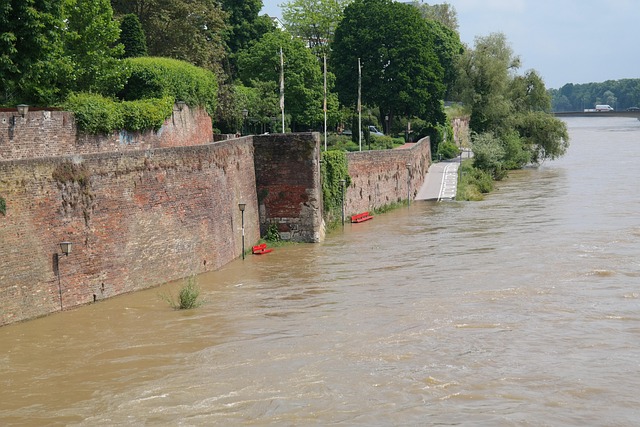
The East Village, known for its charming residential areas, faces unique challenges when it comes to flooding. As recent events have demonstrated, swift and effective local emergency response is crucial in minimizing flood damage naturally and aiding residents in their recovery. Preparations and prevention strategies are the first line of defense against devastating San Antonio flood events. Homeowners must be proactive in securing their properties to mitigate potential losses.
A key step in any flood preparedness plan is assembling a comprehensive San Antonio flood preparedness kit. This kit should include essential items like water, non-perishable food, flashlights, batteries, and first aid supplies. Additionally, it’s vital to have important documents stored securely offsite or in waterproof containers. Many local flood awareness campaigns emphasize the importance of these basic preparations, educating residents on how to respond during and after a flood. For instance, the City of San Antonio’s Ready San Antonio program offers valuable resources and tips tailored to the region’s specific flood risks.
Beyond individual efforts, community involvement is essential in enhancing local flood preparedness. Homeowners can collaborate with neighbors to create neighborhood watch groups, share resources, and plan collective actions during emergencies. Property Restoration of the Capital Region, a leading expert in flood recovery resources, highlights the power of community networks in swiftly addressing flood damage naturally. For example, residents can help each other move furniture and belongings to higher ground, secure homes with waterproof barriers, and maintain emergency contact lists. By embracing these proactive measures, East Village homeowners not only protect their properties but also contribute to a more resilient and better-prepared neighborhood.
Post-Flood: Response, Recovery, and Rebuilding Guide

The immediate aftermath of a flood presents a unique set of challenges for any community, particularly East Village residents facing the daunting task of post-flood response, recovery, and rebuilding. This comprehensive guide aims to empower locals with practical insights and expert advice, ensuring a more swift and effective path to recovery. When navigating flood damage naturally, the first 48 hours are critical. Residents should prioritize safety by securing their properties and following San Antonio flood preparedness guidelines, such as creating an emergency kit and familiarizing themselves with evacuation routes.
Effective post-flood response involves immediate actions like turning off utilities to prevent further damage and documenting losses for insurance claims. Houston’s recent experiences have underscored the importance of well-prepared disaster preparedness training for homeowners and businesses alike. Engaging in regular training sessions can significantly enhance community resilience, enabling faster reaction times during emergencies. Once initial safety measures are in place, residents should begin assessing flood damage. This process requires careful documentation of affected areas and items, as it forms the basis for insurance claims and guides subsequent rebuilding efforts.
Recovery is a multifaceted endeavor, requiring both individual proactivity and collective community support. San Antonio disaster preparedness training emphasizes the importance of having a plan and supplies to sustain families during the recovery period. This includes access to clean water, non-perishable food, and essential hygiene items. For commercial properties, engaging professional Houston commercial water damage repair services is crucial to mitigate mold growth and ensure business continuity. The process of rebuilding should integrate lessons learned from the initial response, encouraging residents and businesses to invest in flood-resistant infrastructure and materials recommended by experts like Property Restoration of the Capital Region. By embracing these strategies, East Village can emerge stronger and more resilient following future flooding events.
Understanding flood risks specific to the East Village is paramount for effective local emergency response. Key insights reveal that proactive preparation and prevention strategies are essential tools for homeowners to mitigate potential disaster. By implementing measures such as proper drainage, elevated electrical systems, and water-resistant barriers, residents can significantly reduce flood damage naturally. In the event of a flood, a well-outlined post-disaster response plan emphasizing safety, documentation of loss, and swift communication with local authorities ensures efficient recovery and rebuilding efforts. This comprehensive guide equips East Village residents with actionable steps to not only survive but also thrive after such natural occurrences.