





Disaster cleaning is a critical service that ensures communities can recover from unforeseen events, such as floods. Brooklyn, with its diverse neighborhoods and historic buildings, faces unique challenges when it comes to flood damage. Rapid response and expert handling are essential to mitigate secondary damages like mold growth and structural deterioration. This article delves into the intricacies of disaster cleaning in Brooklyn, focusing on effective strategies for managing flood damage naturally, preserving both properties and the environment. By exploring cutting-edge techniques and best practices, we aim to empower residents and professionals alike to navigate these crises with confidence and expertise.
- Understanding Disaster Cleaning in Brooklyn: Essential Services
- Navigating Flood Damage: Brooklyn's Natural Recovery Process
- Restoring Your Home: A Step-by-Step Guide to Brooklyn Clean-up
Understanding Disaster Cleaning in Brooklyn: Essential Services
In the face of disasters, whether it’s a severe storm or flash flood, efficient disaster cleaning in Brooklyn becomes an indispensable service. Understanding what constitutes essential disaster cleaning goes beyond basic restoration; it involves meticulous attention to detail, specialized equipment, and a deep understanding of the local environment. One such example is managing flood damage naturally, where experts employ eco-friendly methods to mitigate the impact of water intrusion. In Brooklyn, where climate patterns suggest an increased risk of heavy rainfall and flooding, residents are increasingly turning to San Antonio flood preparedness kits and Texas emergency flooding assistance for protection.
When a disaster strikes, the first step in effective disaster cleaning is assessing the scope of damage. This includes not just structural integrity but also potential health hazards like mold growth, which can accelerate after water damage. Austin flood restoration experts emphasize the importance of quick response times to prevent such secondary issues. Property Restoration of the Capital Region, for instance, has been instrumental in providing comprehensive services that cater to both immediate disaster relief and long-term recovery needs. Their expertise lies in understanding the unique challenges posed by Brooklyn’s diverse neighborhoods, from historic buildings to modern urban complexes.
In addition to structural restoration, emergency preparedness includes distributing San Antonio flood preparedness kits to vulnerable communities. These kits not only equip residents with essential supplies but also educate them on effective flood damage prevention strategies. As data from recent flooding events in Texas highlights, early preparation and knowledgeable assistance can significantly mitigate the impact of disasters. By combining specialized knowledge, advanced equipment, and community outreach, disaster cleaning professionals in Brooklyn are revolutionizing emergency response, ensuring a safer and more resilient future for all residents.
Navigating Flood Damage: Brooklyn's Natural Recovery Process
Navigating Flood Damage: Brooklyn’s Natural Recovery Process
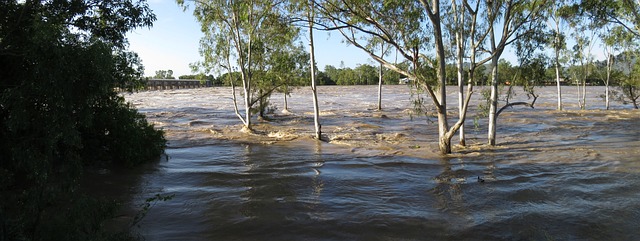
Floods are a significant challenge for any community, and Brooklyn, New York, is no exception. When emergency flooding assistance is needed, understanding the natural recovery process is crucial. In areas like Texas, which frequently experiences severe weather events leading to widespread emergency flooding, the road to recovery requires a multi-step approach. Homeowners in Brooklyn, for instance, should begin by assessing the extent of the flood damage naturally occurring in their properties. This initial step involves identifying water intrusion points, documenting damage, and taking immediate actions to prevent further deterioration.
Texas flood insurance claims often cover a range of restoration services, including water removal, dehumidification, and mold prevention. San Antonio water damage mitigation strategies, for example, have evolved to include advanced technology like air movers and dehumidifiers to expedite drying and reduce moisture levels. These methods are essential in mitigating the risk of secondary damage and fostering a healthier environment. After the initial mitigation, professional restoration services like Property Restoration of the Capital Region can step in to address structural repairs, content cleaning, and odour removal.
The recovery process isn’t just about repairing physical structures; it also involves addressing the emotional toll. Flooding can be a traumatic event, and many residents may require support to cope with the aftermath. Community efforts, such as neighbourly assistance and local support groups, play a vital role in the healing process. By combining these natural recovery strategies with professional interventions, Brooklyn can effectively navigate flood damage and emerge stronger, more resilient, and ready to face the future.
Restoring Your Home: A Step-by-Step Guide to Brooklyn Clean-up
Recovering from a disaster, such as a flood, can be a daunting task, but with a systematic approach, you can restore your Brooklyn home to its former glory. This step-by-step guide provides practical insights into the clean-up process, emphasizing the importance of swift action and proper techniques to mitigate damage and promote a healthy healing environment.
Step 1: Assess the Damage and Prioritize Safety
Before beginning any clean-up, conduct a thorough assessment to identify the extent of the flood damage. Check for structural integrity, gas leaks, and electrical hazards. Ensure your safety by wearing protective gear, including gloves, masks, and goggles. In Texas, post-flood mental health resources are readily available to support residents dealing with the aftermath, addressing the psychological impact of such events.
Step 2: Turn Off Utilities and Begin Water Removal
The first order of business is to turn off the main water supply to prevent further damage from ongoing water infiltration. Utilize buckets, mops, and water pumps to remove standing water from your home. In areas prone to storm surges, like Houston, prompt action during these events is crucial to minimizing damage. Austin storm surge repairs highlight the importance of having a plan in place and local resources readily accessible.
Step 3: Dry Out Your Property and Disinfect
After removing visible water, focus on drying out your property. Use fans, dehumidifiers, and space heaters to speed up the drying process. Once the area is dry, disinfect surfaces with a solution of one cup of bleach per gallon of water. This step is especially important in preventing mold growth, which can be a significant issue after floods. Property Restoration of the Capital Region, a trusted name in disaster restoration, emphasizes the need for professional-grade equipment and knowledge to ensure thorough drying and disinfection.
Step 4: Pack and Store Belongings
As you begin the restoration process, pack and store items that are not essential for daily living. Protect valuable documents and memories by storing them in waterproof containers. Ensure your belongings are stored in a secure, dry location away from the primary restoration area. This step allows for focused cleanup and repairs without clutter, making the process more efficient.
Step 5: Repair and Reconstruct
With the initial clean-up and drying complete, it’s time to assess structural repairs and begin rebuilding. Contact Houston disaster restoration specialists for expert guidance and services, ensuring your home meets safety and structural integrity standards. The process may involve replacing drywall, repairing or replacing flooring, and fixing any electrical or plumbing issues.
Disaster cleaning in Brooklyn, particularly after flood damage naturally, requires a comprehensive approach. Key insights include recognizing the critical services offered by professional cleaners, understanding Brooklyn’s unique recovery process, and following a structured guide for home restoration. By prioritizing these steps, residents can effectively navigate post-disaster scenarios, ensuring their homes are safely restored. This article equips readers with valuable knowledge, empowering them to take proactive measures and make informed decisions when facing flood damage in the vibrant Brooklyn landscape.
In Brooklyn, efficient disaster cleaning, especially after floods, involves specialized knowledge, eco-friendly methods (like managing flood damage naturally), quick response times, and understanding local challenges. Professionals like Property Restoration of the Capital Region offer comprehensive services from initial damage assessment to long-term recovery. Community preparedness, including San Antonio flood kits and education, enhances resilience. Swift action, proper restoration techniques, and mental health support are crucial for safe and effective post-flood recovery.