Recovering from flood damage in West Village demands a balanced approach blending natural healing, structural reinforcement, and community resilience. Key strategies include promoting air circulation to prevent mold, assessing water infiltration for tailored dehumidification, repairing flood-damaged infrastructure, fostering neighborly collaboration, and integrating technological advancements with traditional methods for holistic, sustainable restoration.
The West Village, known for its charming architecture and vibrant community, has long grappled with the challenges posed by residential water extraction, particularly during severe weather events. The frequent occurrence of flood damage naturally emphasizes the need for effective, sustainable solutions to protect these historic structures and the lives within them. This article delves into the intricate issues surrounding residential water extraction in the West Village, exploring not just the problems but also innovative strategies that offer hope for a future free from the perils of repeated inundation. We provide expert insights tailored to meet the unique needs of this iconic neighborhood.
- Assessing Flood Damage Naturally in West Village Homes
- Step-by-Step Guide: Residential Water Extraction Process
- Post-Flood Restoration: Tips for Natural Healing of Homes
Assessing Flood Damage Naturally in West Village Homes
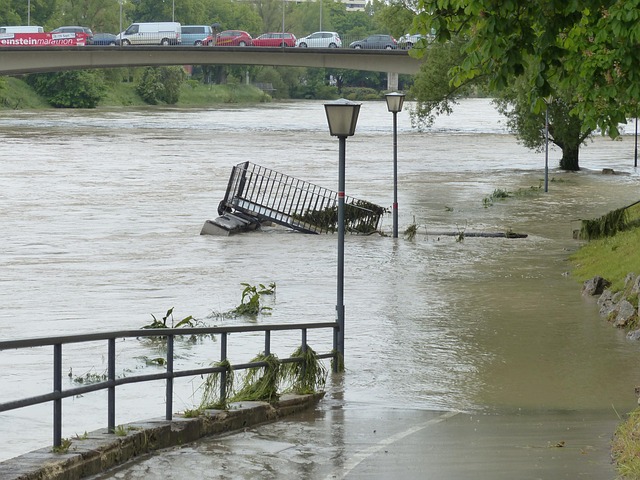
In the aftermath of a flood, homeowners in West Village often face the daunting task of assessing and mitigating flood damage naturally to their properties. This process requires a meticulous understanding of both the extent of the water intrusion and the unique challenges presented by the local environment. Texas, with its frequent rainfall and flooding events, necessitates proactive measures for flood safety tips among residents, especially when it comes to filing Texas flood insurance claims effectively.
Property owners should begin by conducting a thorough inspection, documenting all visible damage, and identifying any potential health hazards associated with standing water or moisture accumulation. It is crucial to remember that even after the waters recede, hidden risks like mold growth can persist, particularly in warmer climates like San Antonio. This is where professional assistance from experts in water damage mitigation comes into play. For instance, Property Restoration of the Capital Region has successfully helped numerous homeowners navigate post-flood scenarios by offering specialized services tailored to address flood damage naturally and efficiently.
During assessment, it's essential to focus on structural integrity, electrical systems, and potential contamination sources. Homeowners should be aware that certain materials may require specialized cleaning or replacement due to their sensitivity to water damage. For instance, wood, drywall, and insulation are susceptible to mold growth if not addressed promptly. Data from recent studies indicates that early intervention in San Antonio water damage mitigation can significantly reduce the cost of repairs and minimize health risks associated with prolonged moisture exposure. Therefore, acting swiftly and following Texas flood safety tips is paramount for a successful recovery process.
Step-by-Step Guide: Residential Water Extraction Process

The residential water extraction process is a critical step in managing flood damage naturally, especially in areas prone to sudden deluges like West Village. Here’s a detailed guide on how this process unfolds, designed to help residents navigate the aftermath of floods with as little disruption as possible.
First, assessment is key. After the initial flood waters recede, professionals inspect the property for extent of damage and identify potential hazards such as contaminated water, mold growth, or structural instability. This step is crucial in determining the extraction method and overall recovery strategy. Next, extraction begins with powerful pumps and vacuum equipment that safely remove standing water from homes, basements, and other affected areas. This not only minimizes further damage but also prevents the growth of mold and bacteria that often thrive in flooded environments. During this phase, it’s essential to employ techniques that minimize disruption to personal belongings and ensure safe disposal of extracted water, possibly treating it for safety before release or containment.
Once the extraction is complete, the real work starts: cleanup and decontamination. This involves thoroughly drying out the property using advanced moisture monitoring systems to track humidity levels. Local community cleanup events often play a vital role in this phase, with residents joining forces to restore their neighborhood. In Texas, where floods are a recurring concern, understanding how to navigate Texas flood insurance claims is essential for homeowners. Property Restoration of the Capital Region offers support in this area, helping policyholders understand their coverage and manage the claim process effectively.
Throughout the recovery process, Austin flood recovery support groups can provide invaluable emotional and practical assistance. Connecting with these groups gives homeowners a sense of community and shared experience, fostering resilience as they rebuild from the ground up after such traumatic events. Remember that each flood is unique, but with proper preparation, extraction techniques, and community support, West Village residents can emerge stronger and more prepared for whatever weather may bring.
Post-Flood Restoration: Tips for Natural Healing of Homes
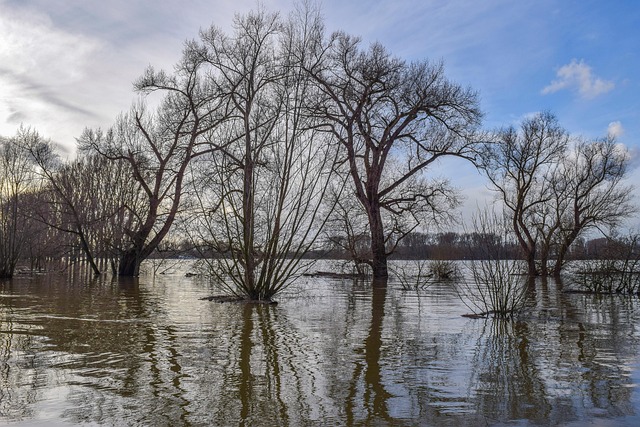
Recovering from flood damage is a delicate process that requires careful navigation to ensure homes in West Village heal naturally and sustainably. Post-flood restoration demands more than just cleaning up debris; it involves addressing structural integrity, mitigating mold growth, and preparing for future events through enhanced community resilience. The local flood warning systems in the Capital Region have proven valuable tools, providing residents with critical lead time to evacuate and protect their properties. However, proactive measures taken immediately after a flood can significantly impact the long-term health of homes, reducing the risk of severe San Antonio flood damage prevention and costly renovations.
A key aspect of natural healing is allowing adequate air circulation to dry out affected areas. This process, often facilitated by specialized drying equipment, prevents the cultivation of mold and mildew, which can cause substantial health issues for occupants and further deteriorate structures. Property Restoration of the Capital Region experts recommend assessing water infiltration levels and implementing appropriate dehumidification strategies tailored to each home's unique needs. Additionally, repairing and reinforcing flood-damaged infrastructure within the community is essential to enhance local resilience against future events. This includes strengthening levees, improving drainage systems, and adopting sustainable landscaping practices that absorb excess water during heavy rainfall.
Community involvement plays a pivotal role in post-flood recovery. Local community resilience initiatives have proven successful in West Village, fostering collaboration among neighbors, local businesses, and government agencies. These partnerships ensure a more efficient response to flood events, allowing for the rapid distribution of resources, volunteer efforts, and knowledge sharing. By learning from past experiences and implementing best practices, residents can minimize the impact of future floods on their homes and contribute to a more resilient community overall. This holistic approach combines technological advancements in flood warning systems with natural recovery methods and strong community bonds to create a sustainable strategy for post-flood restoration.
Through a comprehensive exploration of flood damage naturally in West Village homes, this article offers valuable insights into navigating residential water extraction. By understanding the process through to post-flood restoration, readers gain practical knowledge for mitigating and healing flood damage effectively. Key takeaways include recognizing the importance of immediate action during water extraction to prevent further contamination, adopting natural restoration techniques for healthier healing, and prioritizing professional guidance throughout the journey. These learnings empower homeowners to not only recover from but also enhance their properties in the wake of flooding, ensuring a more resilient future for West Village communities.